
When Insurance Costs Threaten First Responders: What Every Agent Needs to Understand
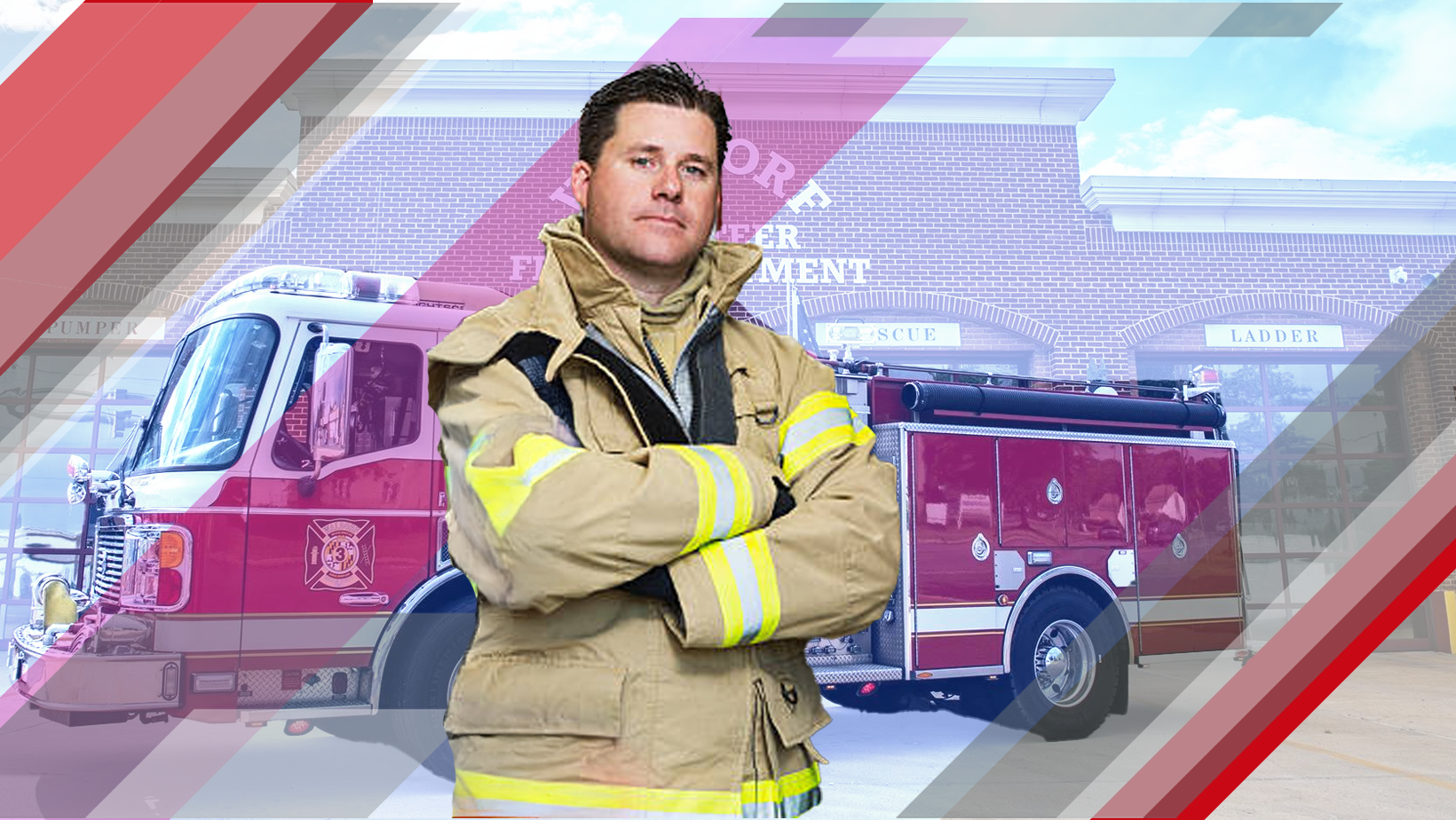
When a volunteer fire department’s vehicle insurance jumps from roughly $7,000 to $12,000 in a single renewal cycle, the story is not just about premiums, it is about whether a community can afford to keep help on the road.
For insurance professionals, the recent spotlight on New York volunteer fire departments is more than a local budget fight. It is a practical example of how liability costs, claim frequency, fraud concerns, litigation pressure, and public service operations all collide in the real world.
Agents and carriers talk every day about hard markets, loss trends, rising repair costs, and deteriorating risk conditions. But those explanations can sound abstract to clients. A fire department struggling with insurance costs makes the issue much easier to understand. When premiums rise, the impact is not limited to a balance sheet. It can affect response times, equipment decisions, volunteer recruitment, and the financial health of small communities.
Why This Story Matters to Insurance Agents
The most important part of this story is not the size of the increase alone. It is who is being affected. Volunteer fire departments are not luxury buyers of insurance. They are essential community organizations, often operating with tight budgets, aging equipment, and increasing demand.
That makes this a strong teaching moment for agents. Clients often assume rate increases are driven only by the insurance company. In reality, premiums reflect a much wider environment: claim severity, litigation trends, fraud patterns, repair costs, medical inflation, legal standards, and the availability of reinsurance capacity.
“That is extraordinary growth, and I don’t think you’ve gotten into more accidents over that time.”New York Governor Kathy Hochul, speaking about the reported fire department premium increase
That quote captures the tension agents face every day. A client may not have changed much. The risk may look familiar. The vehicles may be the same. The drivers may be careful. Yet the pricing environment around that account may have changed dramatically.
The Human Angle: Emergency Services Under Financial Pressure
Volunteer fire departments already face a difficult operating environment. Across the country, departments are dealing with fewer volunteers, more expensive equipment, higher training demands, aging stations, and growing expectations from the communities they serve.
In many towns, volunteers are not just responding to fires. They are responding to motor vehicle accidents, medical calls, storm damage, water rescues, hazardous conditions, and mutual aid requests from neighboring communities. Their vehicles are expensive, specialized, heavily used, and critical to public safety.
So when insurance costs rise quickly, the department may not have many easy choices. A higher premium can compete directly with money needed for fuel, maintenance, protective gear, recruitment programs, training, or vehicle replacement reserves.
What Is Driving the Concern?
New York officials have connected the issue to broader concerns about auto insurance costs, staged accidents, fraudulent claims, and liability rules that they argue increase claim costs. Supporters of reform say those forces eventually flow into premiums for drivers, municipalities, public agencies, and emergency service organizations.
Opponents of reform argue that changing liability rules could make it harder for legitimately injured people to recover damages. That matters too. For insurance professionals, the lesson is not that every proposed reform is automatically right or wrong. The lesson is that insurance pricing is deeply connected to the legal and social environment around claims.
This is exactly the kind of issue agents should understand well, because clients usually experience the result long before they understand the cause.
The Agent’s View
For agencies, this story is useful because it gives a clear, real-world answer to a common client question: “Why did my premium go up when nothing happened?”
The answer is often that the broader pool changed. The claims environment changed. The litigation environment changed. The cost to repair vehicles changed. The expected severity of future claims changed. The account may be stable, but the world around the account is not.
A Simple Way to Explain the Pressure
| Pressure | Impact |
|---|---|
| Claim severity: Vehicle repairs and injury claims cost more |
Premium effect: Carriers price for larger potential losses |
| Fraud concerns: Staged accidents increase suspicion and costs |
Market effect: Underwriting becomes tighter and more cautious |
| Public service budgets: Departments have limited room to absorb increases |
Community effect: Insurance costs compete with emergency operations |
Why Carriers Are Watching These Risks Closely
Emergency service vehicles present a unique underwriting challenge. They may be driven under urgent conditions, operate in congested or hazardous scenes, and carry expensive equipment. Even when departments have strong safety cultures, the exposure is inherently different from ordinary commercial auto risks.
That does not mean volunteer fire departments are bad risks. In many cases, they are careful, mission-driven, and highly disciplined. But carriers still have to evaluate the full exposure: vehicle type, driver training, response protocols, claims history, jurisdictional legal trends, and the cost of defending claims.
For agents, this reinforces the value of strong submissions. A clean application is not enough. Underwriters need the story behind the risk, including training standards, driver qualification procedures, maintenance practices, safety policies, and any steps the department has taken to reduce preventable losses.
What Agencies Can Learn From This
This story gives agencies an opportunity to lead with education instead of apology. When premiums rise, clients want a clear explanation. They do not want vague language about “market conditions.” They want to know what changed, why it matters, and what they can do next.
- Explain the environment: Connect rate pressure to claims, litigation, fraud, repairs, and medical costs.
- Document the risk: Help clients show underwriters their safety practices and operational discipline.
- Review limits carefully: Rising claim severity can make older limits look outdated.
- Discuss deductibles: Some clients may need options that balance affordability with protection.
- Prepare early: Hard renewals are easier when the conversation starts before the quote arrives.
The best agents do not simply deliver bad news. They translate the market, organize the options, and help clients make confident decisions under pressure.
The Bigger Message for the Industry
The volunteer fire department story is powerful because it shows that rising insurance costs are not just a consumer inconvenience. They can influence whether public service organizations have the resources they need to operate effectively.
That should matter to agents, agencies, and carriers. Insurance is often described as a financial product, but in communities like these, it is also part of the public safety infrastructure. When coverage becomes more expensive, more restrictive, or harder to place, the consequences can be felt far beyond the insured organization.
“Volunteer fire departments are essential to community safety, and rising insurance costs make their work even harder.”Industry takeaway for agents and carriers
How Agents Can Turn This Into a Better Client Conversation
This is the kind of story agents can use with commercial clients, municipalities, nonprofit organizations, contractors, transportation accounts, and anyone frustrated by rising auto or liability premiums.
The conversation does not need to be complicated. Start with the simple truth: even organizations doing important work and operating responsibly are not immune from broader insurance trends. Premiums are shaped by the total cost of risk, not just one insured’s intentions.
Then move the conversation toward action. What can the client document better? What safety practices can be strengthened? Are drivers properly screened and trained? Are vehicles maintained consistently? Are limits still appropriate? Is the organization prepared to explain its risk to the market?
The Bottom Line
A volunteer fire department facing a sharp insurance increase is not a niche story. It is a clear example of the pressure building across the insurance marketplace.
For agents and agencies, the opportunity is to use stories like this to make insurance more understandable. Rising premiums are frustrating, but they are rarely random. When agents can explain the forces behind the numbers, they become more than policy sellers. They become trusted advisors helping clients navigate a changing risk environment.
And for carriers, the message is just as important: underwriting discipline and community impact are not separate conversations. In many cases, they are happening at the same time, around the same renewal, for the same insured.
::contentReference[oaicite:0]{index=0}