
Staged Crashes, Real Consequences: Inside the Coordinated Fraud Ring Targeting Rideshare Drivers
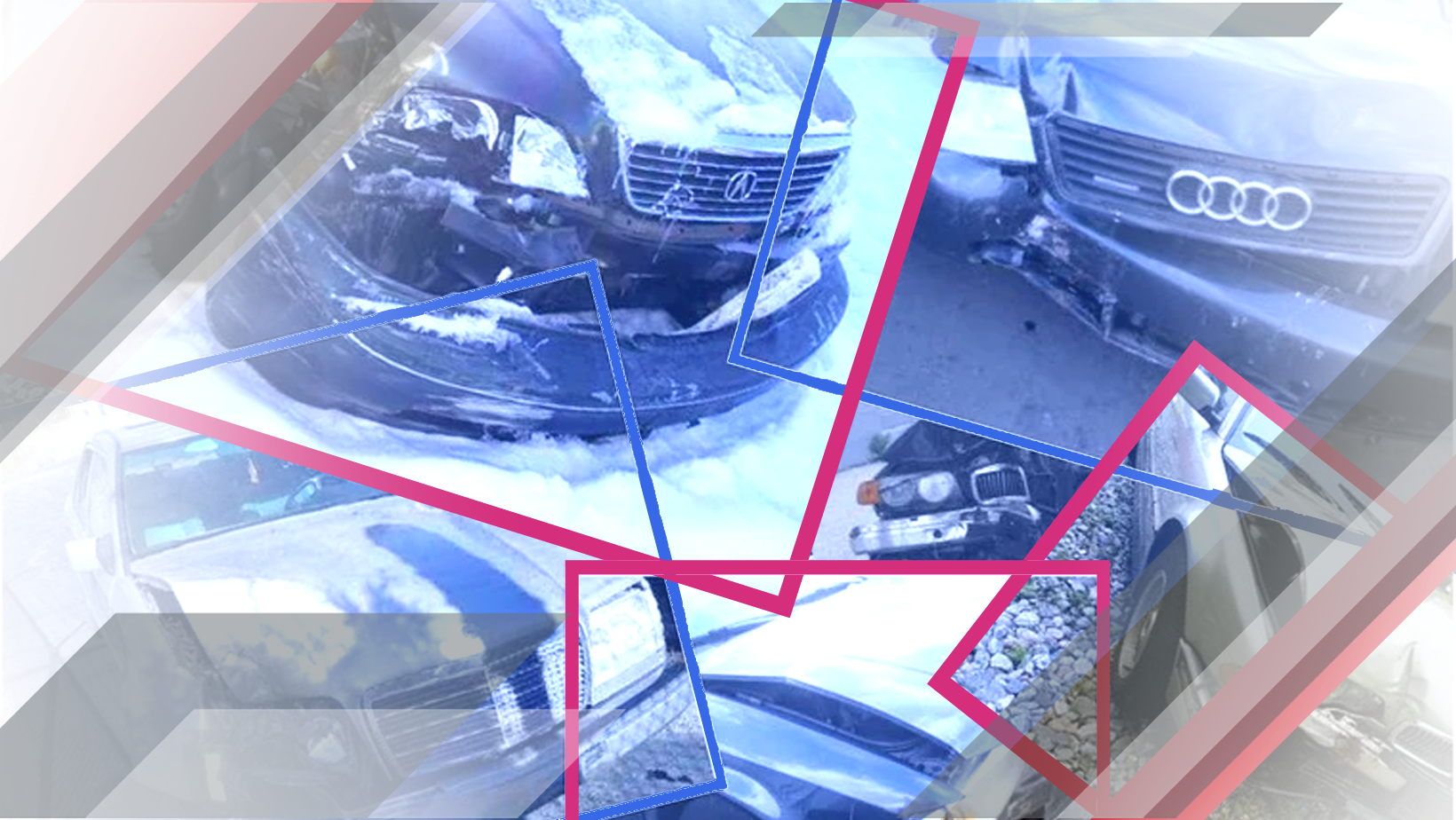
A growing federal lawsuit involving Uber, Liberty Mutual, and an alleged staged crash ring is shedding light on a troubling reality: insurance fraud is no longer opportunistic, it is organized, sustained, and increasingly sophisticated.
At the center of the case are 14 individuals along with affiliated medical providers accused of orchestrating late-night collisions designed to exploit no-fault insurance systems. According to filings, the operation ran for nearly two years, targeting rideshare drivers who were often working alone, fatigued, and vulnerable.
For agents, agencies, and carriers, this is more than a headline. It is a real-world example of how fraud ecosystems are evolving and where the pressure points in the system are being tested.
What Actually Happened
The lawsuit alleges a coordinated effort to stage accidents involving Uber drivers, often during overnight hours when visibility is low and scrutiny may be reduced. The incidents were not random. They followed patterns, including repeat participants, similar injury claims, and consistent involvement from certain medical providers.
Once a crash occurred, claims would quickly follow. Medical treatments were prescribed, legal representation engaged, and the claims process activated in a way that appeared legitimate on the surface.
This was not a single bad actor. It was a system designed to generate claims volume.
“These schemes are not accidents of opportunity. They are structured operations designed to exploit predictable parts of the insurance process.”
National Insurance Crime Bureau representative
The Human Side of the Story
While the financial implications are significant, the human impact is what makes this story resonate.
Rideshare drivers, many of whom rely on gig work as their primary income source, were placed directly in harm’s way. These drivers are often working long hours, navigating unfamiliar areas, and operating without the institutional protections found in traditional employment settings.
Being involved in a crash is disruptive enough. Being unknowingly pulled into a staged event adds another layer of stress, confusion, and potential financial exposure.
For many, the aftermath includes lost income, insurance complications, and lingering uncertainty about liability and coverage.
Why No-Fault Systems Are Being Targeted
No-fault insurance systems are designed to streamline claims and ensure faster access to medical care. However, those same efficiencies can be exploited.
In this case, the structure of no-fault coverage allowed claims to move quickly, often with less immediate friction. That speed, while beneficial for legitimate policyholders, can create openings for coordinated abuse.
Fraud rings are increasingly studying these systems in detail, identifying where processes are predictable and where verification may lag behind claim submission.
A Coordinated Ecosystem, Not Isolated Fraud
One of the most important takeaways from this case is the level of coordination involved. This is not simply about staged accidents. It is about interconnected roles working together to create a continuous pipeline of claims.
The alleged operation included drivers, passengers, medical providers, and legal support, each playing a specific role in advancing the claim from incident to payout.
Key Elements of the Scheme
- Staged collisions: Carefully timed incidents designed to appear legitimate
- Repeat participants: Individuals involved in multiple claims over short periods
- Medical alignment: Consistent use of specific providers tied to claims
- Legal coordination: Rapid engagement of attorneys to formalize cases
- System familiarity: Deep understanding of claims processes and timelines
“What we are seeing is the industrialization of fraud, where multiple parties collaborate to produce repeatable outcomes.”
Insurance fraud investigator
What This Means for Agents and Agencies
For those working directly with clients, this story presents both a challenge and an opportunity.
Clients are often unaware of how sophisticated fraud has become. They may view fraud as isolated or opportunistic rather than coordinated and systemic. Stories like this provide a tangible way to communicate risk in a way that resonates.
Agents are in a unique position to translate these developments into practical guidance for policyholders.
That includes educating clients about:
How staged accidents can occur and what to watch for on the road
Why prompt and accurate reporting matters
How claims investigations may involve deeper scrutiny than in the past
The broader impact of fraud on premiums and coverage availability
Carrier-Level Implications
For carriers, cases like this reinforce the need for continued investment in detection, analytics, and cross-functional collaboration.
Patterns such as repeat claims, shared provider networks, and timing similarities are becoming critical signals in identifying fraud early.
There is also a growing need to integrate data across claims, underwriting, and external sources to build a more complete picture of risk.
The challenge is balancing efficiency with vigilance. Faster claims processing remains essential, but it must be paired with smarter validation.
The Bigger Picture
This lawsuit is still active, and its final outcome remains to be seen. However, the patterns it reveals are already clear.
Fraud is evolving into something more structured, more deliberate, and more difficult to detect without coordinated effort from across the industry.
For insurance professionals, staying informed is no longer optional. It is essential to maintaining trust, protecting clients, and preserving the integrity of the system.
And for those on the front lines, especially agents and agencies, these stories are not just cautionary tales. They are powerful tools for conversation, education, and leadership in an increasingly complex risk environment.