
When Seconds Matter: The Hidden Liability Behind a Theme Park Tragedy
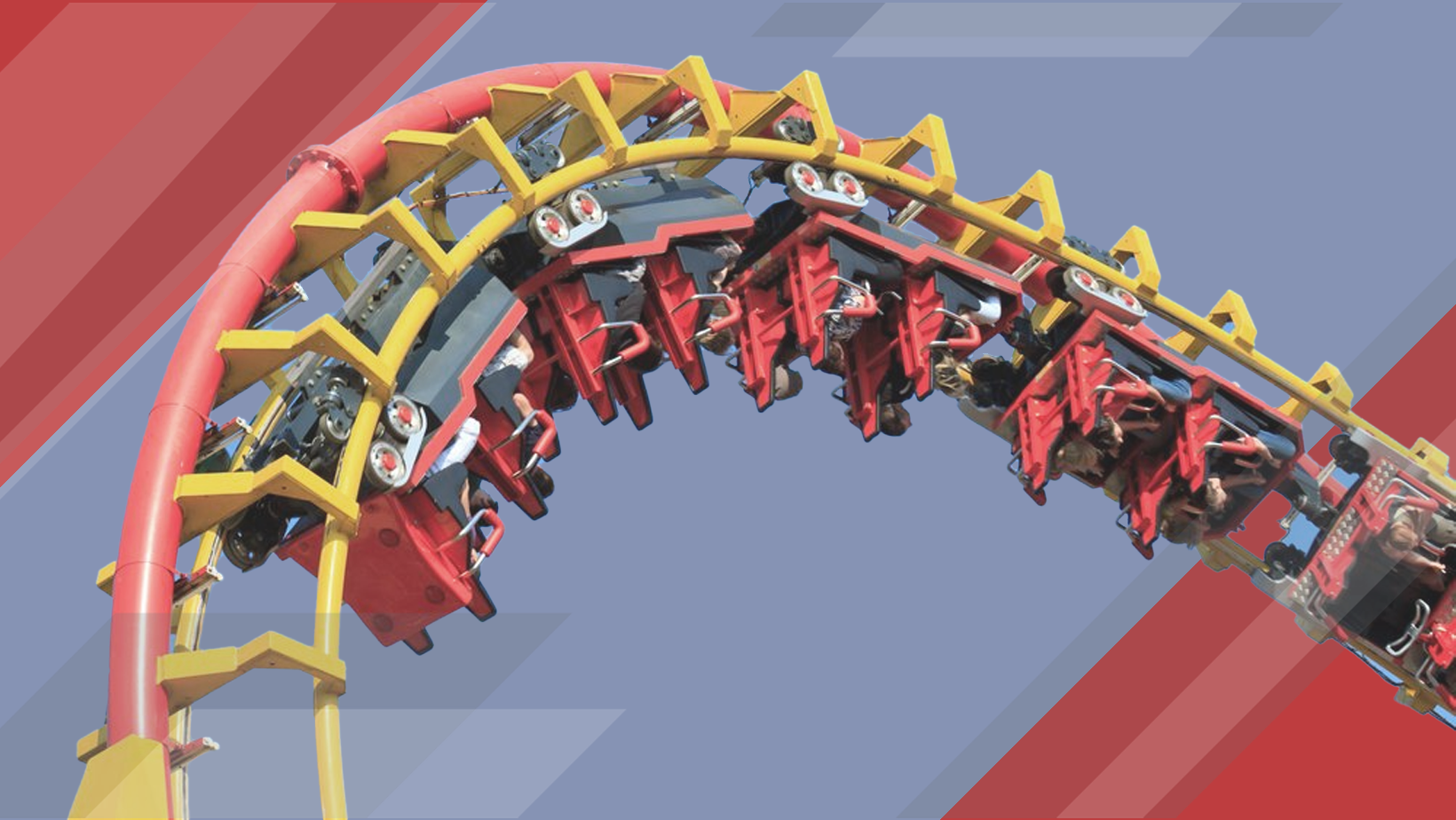
A routine day at a theme park turned tragic when a worker became trapped on a ride for hours, exposing a harsh reality that in high-risk environments, what happens after an incident often determines the true scale of loss.
What We Know So Far
Early reports indicate the worker became immobilized on a ride and remained there for an extended period before rescue efforts were successfully executed. While investigations are still ongoing, initial findings suggest that the delay in response may have played a critical role in the outcome.
Incidents like this are rarely caused by a single point of failure. Instead, they tend to unfold as a chain reaction involving equipment issues, human decision-making, communication gaps, and procedural breakdowns. In many cases, the original event is survivable. It is the delay, confusion, or lack of coordinated response that turns it into a fatal situation.
The Overlooked Risk: Response Time
Theme parks operate under rigorous engineering standards, with rides subject to inspections, maintenance protocols, and regulatory oversight. However, the real exposure often lies not in the mechanical system itself, but in the operational ecosystem surrounding it.
Emergency response plans, staff readiness, and escalation procedures must function flawlessly under pressure. When they do not, the consequences can escalate quickly.
“It is rarely the initial failure that defines the loss. It is how quickly and effectively the response system activates.”
Senior Risk Engineer
A Familiar Pattern Across High-Risk Venues
This type of incident is not isolated to amusement parks. Similar patterns have been observed across recreational and hospitality environments, including water parks, ski resorts, and large entertainment venues.
Investigations frequently uncover consistent themes such as delayed escalation, unclear authority during emergencies, and breakdowns in communication between teams. These issues are operational, not mechanical, and they are often preventable.
From a claims perspective, these factors significantly influence liability outcomes. Plaintiffs and juries tend to focus less on the initial malfunction and more on whether reasonable steps were taken to mitigate harm once the situation was known.
“The public may remember the incident. The legal system focuses on the response.”
Premises Liability Attorney
Why This Matters for Insurance Professionals
For agents, agencies, and carriers, this event highlights a critical shift in how risk should be evaluated. Coverage alone is not enough. Understanding how an insured operates on a day-to-day basis is essential.
Amusement and recreation risks carry layered exposures including high foot traffic, complex equipment, and seasonal staffing. These variables create environments where operational discipline is just as important as physical safety measures.
When incidents occur, the downstream impact can extend beyond bodily injury claims to include reputational damage, regulatory scrutiny, and prolonged litigation.
Key Operational Gaps That Drive Severity
- Response protocols: Plans exist but are not practiced under real-world conditions
- Staff readiness: Inconsistent training leads to hesitation during emergencies
- Communication flow: Delays caused by unclear reporting structures or failed systems
- Medical access: Lack of immediate intervention capability increases injury severity
- Incident documentation: Poor records weaken defense and increase liability exposure
Where Risk Management Must Evolve
This event underscores the need for a more proactive and operationally focused approach to risk management. Carriers and agents have an opportunity to move beyond traditional underwriting metrics and engage more deeply with how insureds execute their safety programs.
Regular drills, scenario-based training, and clear chain-of-command protocols are not optional in environments where seconds matter. Additionally, verifying that communication systems function reliably under stress is a critical component of loss prevention.
Equally important is ensuring that insureds understand the legal implications of delayed response. The difference between a contained incident and a catastrophic claim often comes down to how quickly and decisively action is taken.
A Broader Industry Reminder
For the insurance industry, this tragedy serves as a reminder that risk is dynamic and often shaped by human factors. Equipment can be engineered for safety, but operations must be engineered for resilience.
Agents who ask deeper operational questions, carriers who prioritize risk engineering, and insureds who invest in preparedness all play a role in preventing similar outcomes.
In the end, the most important question is not what failed, but how the system responded when it did.