
Small-Town Agents, Big-Time Results: Why Relationship-Driven Agencies Still Dominate in a Digital Insurance World
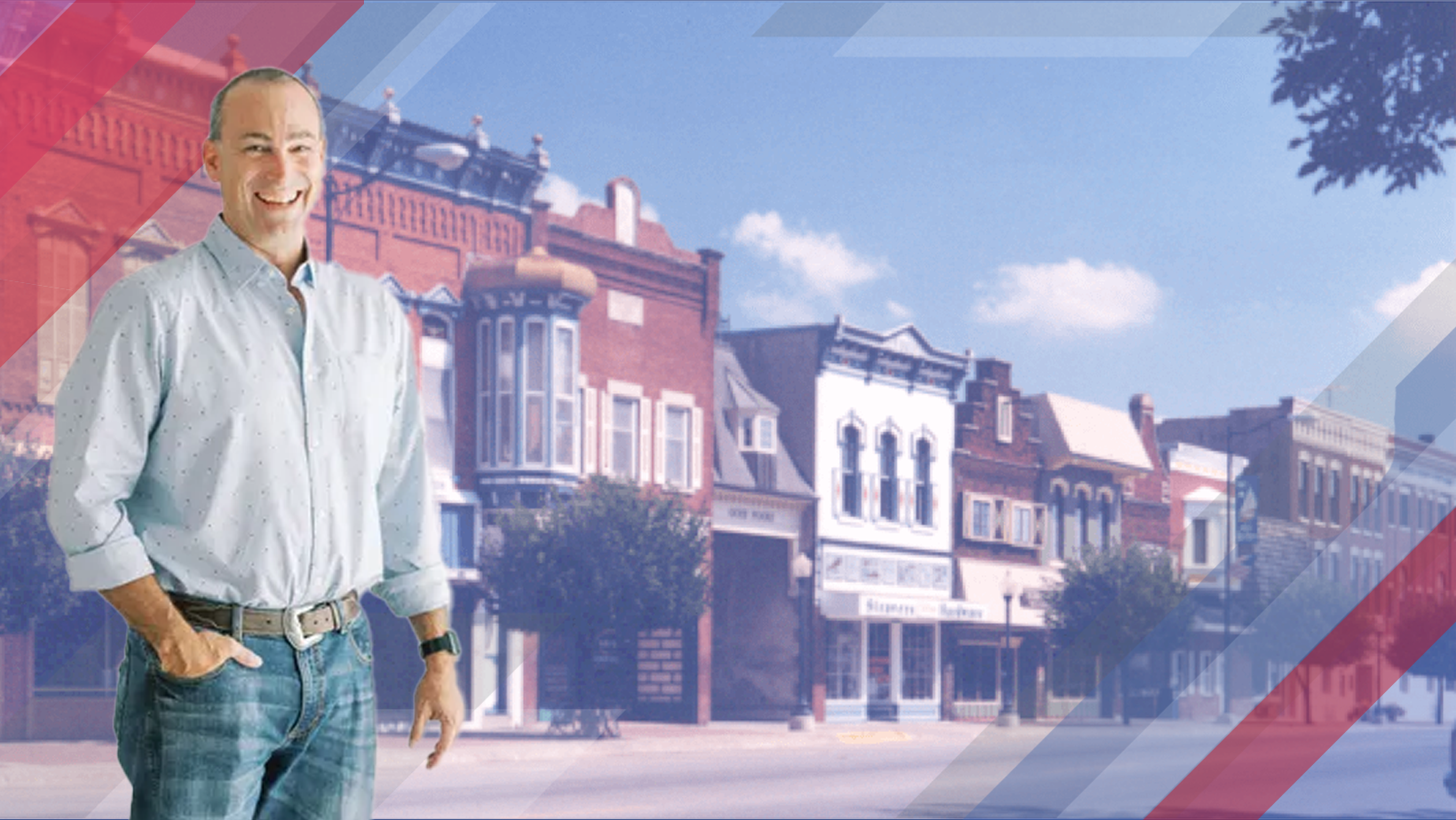
Small-town insurance agents are still proving something the rest of the industry needs to hear: in a market obsessed with speed, scale, and technology, relationships remain one of the most durable advantages in insurance.
That is what makes the recent recognition of elite independent agents so compelling for agents, agencies, and carriers alike. The headline is easy to like. Independent agents were honored at the very highest level of performance, and at least one standout producer has reportedly reached that tier again and again over a long career. But the bigger story is not about awards. It is about what those awards reveal.
They reveal that top performance in insurance is not random. It is not reserved for giant metro agencies with limitless marketing budgets. And it has not disappeared in the age of AI, self-service, and digital comparison tools. In many cases, the agents who keep winning are doing so because they have built a repeatable model around trust, responsiveness, local credibility, and disciplined execution.
What the Recognition Really Signals
When a major national carrier highlights independent agents for exceptional service, community involvement, and long-term profitable growth, that tells the industry something important. Carriers are not just rewarding production volume. They are rewarding balanced performance. They are rewarding agencies that grow while preserving underwriting quality, client loyalty, and local reputation.
That matters because the independent channel has been under pressure from every direction. Customers expect digital convenience. Carrier partners expect cleaner submissions and faster turnaround. Competition comes from direct writers, aggregator sites, embedded insurance plays, and local financial institutions expanding their client relationships. Yet in that crowded environment, the best agents are still finding room to stand out.
“Winners combine local expertise with unwavering commitment to their customers and communities.”
That phrase lands because it captures the heart of the independent agency model. Local expertise is not a sentimental extra. It is practical value. It means knowing which neighborhoods are changing, which business owners are growing, which families are facing new exposures, and which coverage conversations need to happen before a claim forces the issue.
Why This Story Hits Home for Agents
Insurance is still a business where people buy confidence as much as they buy coverage. A policy can be quoted online in minutes. Confidence usually cannot. Confidence is built over time through advice that feels specific, honest, and timely.
That is one reason this story resonates so strongly with insurance professionals. It has a human angle and a professional lesson. The human angle is simple: trusted local agents continue to matter deeply in the lives of clients and communities. The professional lesson is just as clear: the agencies that turn that trust into a disciplined operating model tend to outperform over time.
This is especially relevant in personal lines and small commercial, where the temptation is to assume that automation will flatten all competitive differences. It will not. Technology can compress routine work. It can improve service speed. It can help agencies market more efficiently and document more consistently. But it does not automatically create judgment, empathy, accountability, or local credibility. Those still have to be built.
Repeat winners are telling the industry something
Whenever an agent reaches elite status once, it is impressive. When an agent does it repeatedly over many years, the story changes. That is no longer about talent alone. That is about systems, habits, standards, and culture.
Repeatable excellence in agency distribution usually points to a few underlying realities. The agency probably has a strong service discipline. It likely protects producer time. It probably follows up consistently, documents thoroughly, and maintains a visible presence in the community. And just as important, it likely understands which carrier relationships, account profiles, and customer experiences create profitable growth instead of growth for growth’s sake.
For principals and carrier field leaders, that is the real takeaway. Great agencies are not magic. They are managed.
Why Community Presence Still Wins
There is a tendency in the industry to treat community engagement as branding. In reality, it is often distribution strategy. Community presence shortens trust cycles. It gives prospects more reasons to take the call, more confidence to ask questions, and more comfort referring others.
For a local agency, being visible in the market means more than sponsoring a fundraiser or attending a chamber event. It means becoming part of the information network people rely on when life changes. New home purchase. New business launch. Teen driver. Aging parents. Weather loss. Staffing growth. These are all insurance moments, and trusted local agencies are often closest to them.
“Customers look to their trusted agents and brokers to help them sort through their options for managing the risks in their lives.”
That is a useful reminder at a time when many agencies are deciding how much to invest in digital acquisition versus local relationship building. The best answer is not one or the other. The winning model is often digital reach paired with human relevance.
What the Data Says About Trust and Service
Industry research continues to reinforce what high-performing agencies already know. Satisfaction in the independent channel is heavily influenced by ease of doing business, business support, product competitiveness, and client servicing. In plain language, trust is not built by personality alone. It is reinforced by operational competence.
That is where the story becomes especially valuable for carriers. If carriers want stronger agency performance, they need to make it easier for agencies to deliver confidence at the client level. Slow underwriting responses, fragmented workflows, weak appetite clarity, and inconsistent service all erode the very relationships the industry depends on.
At the same time, broader customer research shows just how much room there is to deepen trusted relationships. The percentage of customers who describe their relationship with an advisor as truly trusted remains lower than the industry would like. When best practices are followed consistently, customer satisfaction rises sharply. That gap should get everyone’s attention. It means trust is still a major growth opportunity.
Where AI fits into this story
This is not a story against technology. It is a story about where technology belongs. AI can help agencies summarize account information, improve documentation, draft communications, speed up service work, and make producers more prepared. It can also help carriers reduce friction in underwriting and claims operations.
What AI cannot do on its own is become the relationship. It can support the advisor. It cannot replace the advisor’s credibility. In fact, the more the industry automates routine interactions, the more valuable human guidance becomes in moments of uncertainty, complexity, or emotion.
That is why this recognition of relationship-driven excellence feels timely. The insurance market is modernizing, but not in a way that makes trust obsolete. If anything, the next stage of competition may reward agencies that use technology to become more human where it counts.
What High-Performing Agencies Tend to Do Differently
The strongest agencies usually make a few practical choices that look ordinary from the outside but create unusual results over time.
- They build visibility locally before they need the lead.
- They create service standards clients can actually feel.
- They protect producer time for advice, renewal strategy, and cross-sell conversations.
- They invest in carrier relationships that support profitable, sustainable growth.
- They use technology to remove friction, not to distance themselves from clients.
None of those moves are flashy. That is exactly the point. Elite performance in the agency channel often comes from executing the fundamentals with unusual consistency.
A Simple Operating Lens for Agencies and Carriers
For leaders trying to translate this story into action, it helps to separate the visible outcome from the underlying engine.
| Signal | What It Means | Best Response |
|---|---|---|
| Awards Recognition follows consistent client value |
Performance Results come from repeatable habits, not luck |
Leadership Document standards and coach to them |
| Community Local visibility shortens trust-building cycles |
Pipeline Referral strength grows from earned reputation |
Marketing Show up where life and business happen |
| Technology Automation removes routine friction |
Advisory Human guidance becomes more valuable |
Execution Use AI to support, not replace, trust |
For agencies, this lens helps clarify where to invest next. For carriers, it highlights what kind of agency support actually strengthens distribution. If the goal is better retention, cleaner business, and stronger premium growth, support the behaviors that create them.
What This Means for the Industry Right Now
The industry is dealing with enough disruption to make anyone chase the newest tactic. Market volatility, higher client expectations, staffing challenges, and AI adoption can all make it feel as though the old rules no longer apply. But stories like this suggest something more nuanced. The old rules still matter. They just need modern execution.
Agents and agencies should read this as a vote of confidence, but not a reason to stand still. The lesson is not that digital change is overhyped. The lesson is that digital change works best when it strengthens the parts of the business clients already value most.
Carriers should read it as a distribution lesson. The agencies most worth backing are not always the loudest. Often, they are the ones quietly compounding trust in their communities, year after year, while turning service discipline into profitable growth.
And for the wider insurance audience, the outcome is both reassuring and practical. The highest-performing agencies are still showing the market what durable success looks like. Be visible. Be dependable. Be useful. Use technology wisely. Then do it again tomorrow.
That may not sound glamorous. In insurance, it still wins.