
Large-Scale Medicare Hospice Fraud Operation Disrupted by Federal Authorities
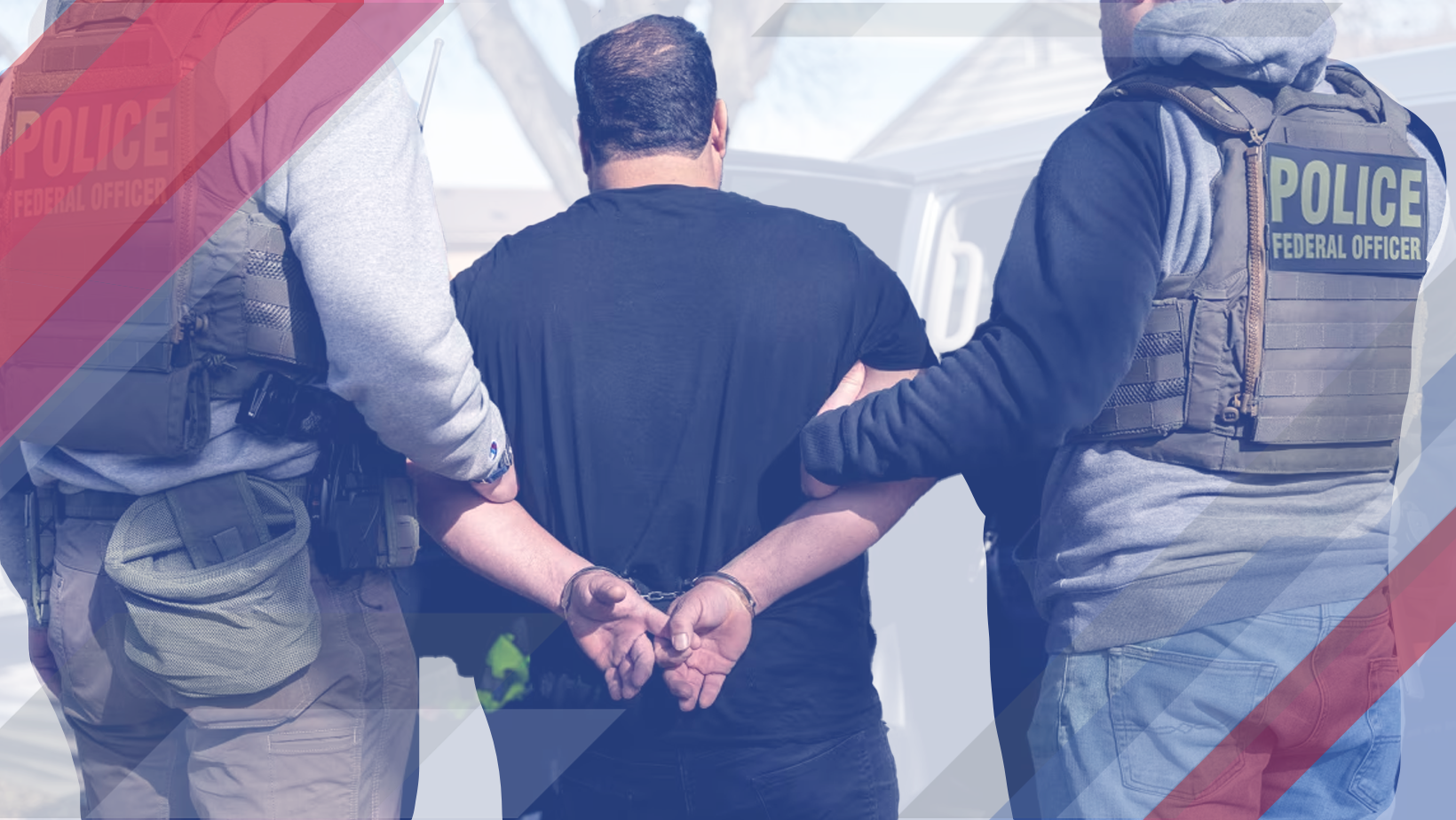
A sweeping federal crackdown in Southern California is exposing how sophisticated health care fraud schemes are evolving and what that means for insurers, agents, and compliance leaders across the industry.
Federal authorities have charged 15 individuals tied to an alleged $50 million fraud operation that exploited hospice care, Medicare billing systems, and private insurance plans. The case is part of a broader enforcement push targeting organized fraud networks that are becoming more complex, more coordinated, and more costly for the insurance ecosystem.
For insurance professionals, this is more than a headline. It is a real-time case study in how fraud is shifting and where vulnerabilities exist today.
A Closer Look at the Scheme
At the center of the investigation are multiple hospice facilities that prosecutors allege were used as fronts to bill for services that were either unnecessary or never provided. Licensed professionals, including nurses and psychologists, allegedly played key roles in legitimizing fraudulent claims.
One of the most notable cases involves a licensed vocational nurse accused of generating more than $8.5 million in fraudulent Medicare claims by certifying patients for hospice care they did not need. Authorities allege the operation relied heavily on illegal kickbacks and fabricated documentation.
Other defendants are accused of running parallel schemes across different facilities, collectively extracting millions through duplicate billing, inflated services, and falsified patient records. In some cases, forged physician signatures were used to validate claims, highlighting weaknesses in verification controls.
“Health care fraud schemes like this place a significant financial burden on taxpayers and undermine trust in critical care systems.”
— Akil Davis, FBI Los Angeles Field Office
Why Hospice Fraud Is a Growing Target
Hospice care has increasingly become a focal point for fraud due to its unique billing structure. Unlike episodic care, hospice services often involve ongoing reimbursement models, making them attractive for sustained fraudulent billing.
Fraudsters exploit several systemic characteristics:
First, eligibility determinations rely heavily on clinical judgment, which can be manipulated. Second, oversight gaps between providers, insurers, and regulators can delay detection. Third, the emotional nature of end-of-life care often reduces scrutiny from families and caregivers.
This combination creates an environment where fraudulent claims can persist for extended periods before being flagged.
Expanding Beyond Medicare: Private Plan Exposure
While Medicare was a primary target, the investigation also revealed schemes impacting private insurers. Chiropractic and physical therapy billing fraud tied to union-sponsored health plans resulted in millions of dollars in alleged losses.
This underscores a critical reality for agencies and carriers: fraud is not confined to government programs. Commercial plans, self-funded groups, and niche coverage pools are increasingly targeted due to varying levels of oversight and complexity in claims processing.
“Fraud is no longer isolated. It is coordinated, multi-entity, and designed to exploit gaps across both public and private systems.”
— Federal Enforcement Perspective
Key Fraud Patterns Identified
This case highlights several recurring fraud tactics that insurers should be actively monitoring.
- Phantom Services: Billing for care that was never delivered or documented inaccurately.
- Eligibility Manipulation: Certifying patients for services they do not medically qualify for.
- Kickback Networks: Paying for patient referrals to sustain fraudulent volume.
- Identity and Credential Abuse: Forged physician signatures and impersonation of licensed professionals.
- Multi-Entity Coordination: Operating across multiple facilities to spread risk and avoid detection.
Operational and Compliance Implications
For carriers and agencies, the implications extend beyond claims losses. These schemes expose vulnerabilities in underwriting assumptions, provider network vetting, and claims auditing processes.
Compliance teams face increased pressure to identify red flags earlier, particularly in high-risk service categories like hospice, home health, and durable medical equipment. Meanwhile, producers and agency leaders must be aware of how fraud exposure can impact loss ratios, pricing stability, and carrier relationships.
The involvement of licensed professionals in these schemes also raises concerns around credential verification and ongoing monitoring. Trust alone is no longer a sufficient control.
How Insurers Can Strengthen Defenses
The scale and coordination of this case reinforce the need for proactive, layered fraud prevention strategies. Traditional reactive models are no longer sufficient in today’s environment.
Advanced analytics, cross-carrier data sharing, and tighter provider credentialing processes are becoming essential. Additionally, stronger collaboration between SIU teams, underwriting, and claims departments can help identify patterns that might otherwise go unnoticed.
Education also plays a critical role. Agents and brokers are often the first line of visibility into unusual provider behavior or client concerns. Equipping them with awareness of emerging fraud patterns can significantly improve early detection.
What This Signals for the Industry
Federal initiatives like Operation Never Say Die and the broader task force efforts signal a sustained commitment to aggressive enforcement. Southern California has been identified as a major hotspot, but similar patterns are emerging nationwide.
For the insurance industry, this is a clear indicator that fraud is becoming more organized, more financially impactful, and more difficult to detect without modern tools and coordinated strategies.
The takeaway is not just about risk. It is about readiness. Insurers, agencies, and carriers that invest in stronger oversight, smarter analytics, and cross-functional collaboration will be better positioned to protect both their bottom line and the integrity of the health care system.