
Major Medicare Fraud Scheme Implicating Foreign National
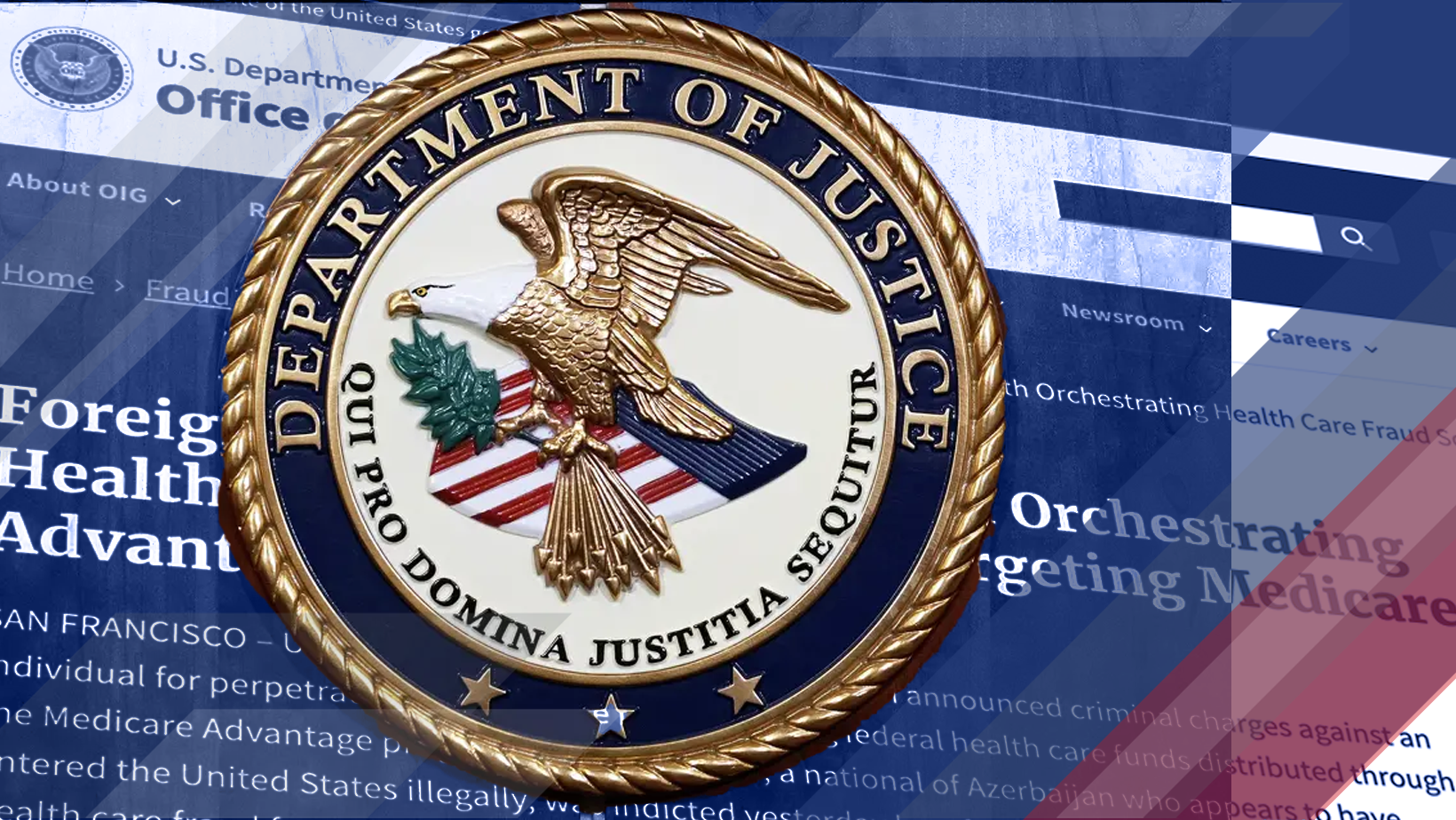
The alleged $90 million Medicare Advantage fraud scheme tied to Anar Rustamov is a sharp reminder that healthcare fraud is still evolving, still industrialized, and still aimed at the payment seams where volume can outrun oversight.
According to federal prosecutors, Rustamov was indicted in Northern California after authorities alleged that thousands of false claims for durable medical equipment were submitted through a company called Dublin Helping Hand between October 2024 and June 2025. The claims reportedly targeted Medicare Advantage Organizations and involved items such as blood glucose monitors and orthopedic braces, with allegations that beneficiaries did not request the products, providers did not authorize them, and the equipment was not medically necessary.
For insurance professionals, that matters well beyond the headlines. This is not simply a criminal case involving one alleged bad actor. It is a practical case study in how fraud schemes pressure claims systems, provider validation workflows, utilization controls, and downstream compliance operations. It also lands at a time when Medicare Advantage has grown into an even larger, more attractive target for organized fraud activity.
Why this case deserves close attention
The core allegation is familiar, but the scale is what stands out. Prosecutors say the scheme sought reimbursement of more than $90 million through a high volume of claims for durable medical equipment. In other words, this was not an isolated billing anomaly. It was allegedly a repeatable production model built around false submissions, questionable documentation, and unauthorized provider references.
That pattern is especially relevant for Medicare Advantage carriers and the agencies that serve Medicare markets. More than half of eligible Medicare beneficiaries are now enrolled in Medicare Advantage plans, which means the program is both strategically important and increasingly exposed. As enrollment grows, so does the incentive for fraudsters to test how quickly they can move claims through billing channels before edits, audits, or beneficiary complaints catch up.
The Department of Justice has also been signaling a tougher posture. In 2025, federal authorities announced the largest national healthcare fraud takedown in department history, charging 324 defendants in schemes involving more than $14.6 billion in alleged intended losses. That broader enforcement backdrop gives this Rustamov indictment extra meaning for plan sponsors and their partners. The government is not treating these cases as isolated paperwork violations. It is treating them as coordinated attacks on taxpayer funded healthcare systems.
Why durable medical equipment keeps showing up
Durable medical equipment remains a recurring fraud target for a reason. Products like braces, monitors, and other supplies can be billed in high volumes, often involve standardized codes, and may be hard for beneficiaries to verify quickly if they never requested the item in the first place. When fraudulent actors can pair those claims with compromised patient data or unauthorized provider information, the submission pipeline can look credible enough to create friction for payers trying to stop it in real time.
Federal watchdogs have repeatedly warned that durable medical equipment billing is vulnerable. The Office of Inspector General has noted that original Medicare alone spends more than $7 billion a year on durable medical equipment, prosthetics, orthotics, and supplies, and that recent cases show fraudsters continue to develop new schemes in this category. For Medicare Advantage organizations, the lesson is plain: DME is not a side issue. It is a priority zone for program integrity.
“Anyone who believes they can make easy money by defrauding such programs should know that we will continue to work with our law enforcement partners to identify, investigate, and prosecute such fraud and abuse.”
Craig H. Missakian, U.S. Attorney for the Northern District of California
What this signals for agents, agencies, and carriers
The most important takeaway is that fraud risk is no longer confined to a back office special investigations unit. It affects member experience, provider relations, compliance exposure, and brand trust. When a beneficiary sees equipment billed in their name that they never requested, that experience lands on the plan first. When a legitimate provider learns their name was used without authorization, that also becomes a relationship and network integrity issue.
For agencies and agents selling or servicing Medicare business, cases like this reinforce the value of member education. Clients need to understand that an Explanation of Benefits is not junk mail. It is one of the earliest fraud detection tools in the system. Encouraging beneficiaries to review statements, question unfamiliar equipment, and report suspicious outreach can materially shorten the timeline between fraudulent billing and intervention.
For carriers, the operational issue is speed with precision. The faster an organization can connect beneficiary complaints, provider verification problems, unusual billing spikes, and suspicious supplier behavior, the smaller the loss window becomes. That requires data discipline, but it also requires cross functional communication. Fraud prevention is strongest when claims, compliance, network management, call center teams, and SIU functions are looking at the same signals instead of working in sequence.
A simple way to read the warning signs
Healthcare fraud rarely announces itself with one giant red flag. More often, it surfaces through clusters of small inconsistencies. A supplier that suddenly bills at scale. Repeated orders for the same categories of equipment. Referring providers who dispute authorization. Beneficiaries who say they never spoke to anyone about the product. Each signal on its own may look manageable. Together, they describe a pattern.
That is why governance matters as much as technology. Predictive models and edits are powerful, but they work best when they are paired with disciplined escalation paths, clean provider data, and a willingness to pause questionable payments before a problem becomes systemic.
| Signal | Why It Matters |
|---|---|
| Volume spike Sudden surge in similar DME claims |
Pattern risk May indicate automated or coordinated billing activity |
| Provider mismatch Orders disputed by listed referring clinicians |
Documentation issue Suggests authorization controls may have been bypassed |
| Member confusion Beneficiary denies requesting or receiving equipment |
High priority alert Direct evidence the claim may be illegitimate |
What organizations should be doing now
The Rustamov case also underscores a broader truth about fraud prevention in Medicare markets: effective controls are not static. Fraud schemes adapt quickly to reimbursement rules, coding conventions, beneficiary outreach tactics, and documentation workflows. Plans and distribution partners need the same mindset.
Here are the practical priorities worth revisiting right now:
- Tighten supplier onboarding and monitoring, especially for entities with abrupt billing growth or thin operating histories.
- Strengthen provider authentication and order validation for high risk DME categories.
- Use member service contacts and grievance data as fraud intelligence, not just service records.
- Review edit logic for repeat equipment patterns, unusual geography, and suspect diagnosis combinations.
- Train frontline teams to escalate suspicious beneficiary complaints quickly and consistently.
Notice that none of those steps is especially flashy. That is the point. The strongest fraud programs are usually built through disciplined execution of ordinary controls, backed by analytics that help teams focus their time where it matters most.
“Programs like Medicare Advantage are funded by American taxpayers and exist to provide essential care to those who need it most, not to be manipulated for profit.”
Matt Cobo, Acting Special Agent in Charge
The member trust issue is just as important as the loss issue
Insurance leaders sometimes discuss fraud primarily in terms of financial leakage, and that is understandable. But the reputational dimension is just as important. Medicare beneficiaries already navigate a complex system with varying plan rules, provider networks, prior authorization standards, and cost sharing structures. When fraudulent claims touch a member record, trust takes a hit. That can affect retention, complaint patterns, and overall confidence in the plan experience.
Agencies that serve seniors can help here by reinforcing a few simple habits: protect Medicare numbers, be wary of unsolicited equipment offers, verify provider recommendations, and review plan communications carefully. The more informed the beneficiary, the harder the scheme becomes to sustain.
The bigger business lesson
What makes this case important for the insurance industry is not just the indictment itself. It is the operating model the allegations describe. A company structure, high claim volume, standardized products, and false or unauthorized supporting details can create the appearance of legitimate commerce while draining public and private resources at scale. That is exactly the kind of environment where strong payer controls make a difference.
As Medicare Advantage continues to grow, so will the pressure on carriers, agencies, and vendor partners to detect fraud earlier and respond faster. The organizations that do this well will not rely on a single silver bullet. They will combine analytics, provider verification, beneficiary education, and decisive compliance follow through.
That is the real message from this story. Fraud prevention in Medicare Advantage is no longer just a compliance function. It is a business discipline, a member experience discipline, and a trust discipline all at once.