
Marine Insurers Pull War Risk Cover in the Gulf as Shipping and Energy Markets Brace for Impact
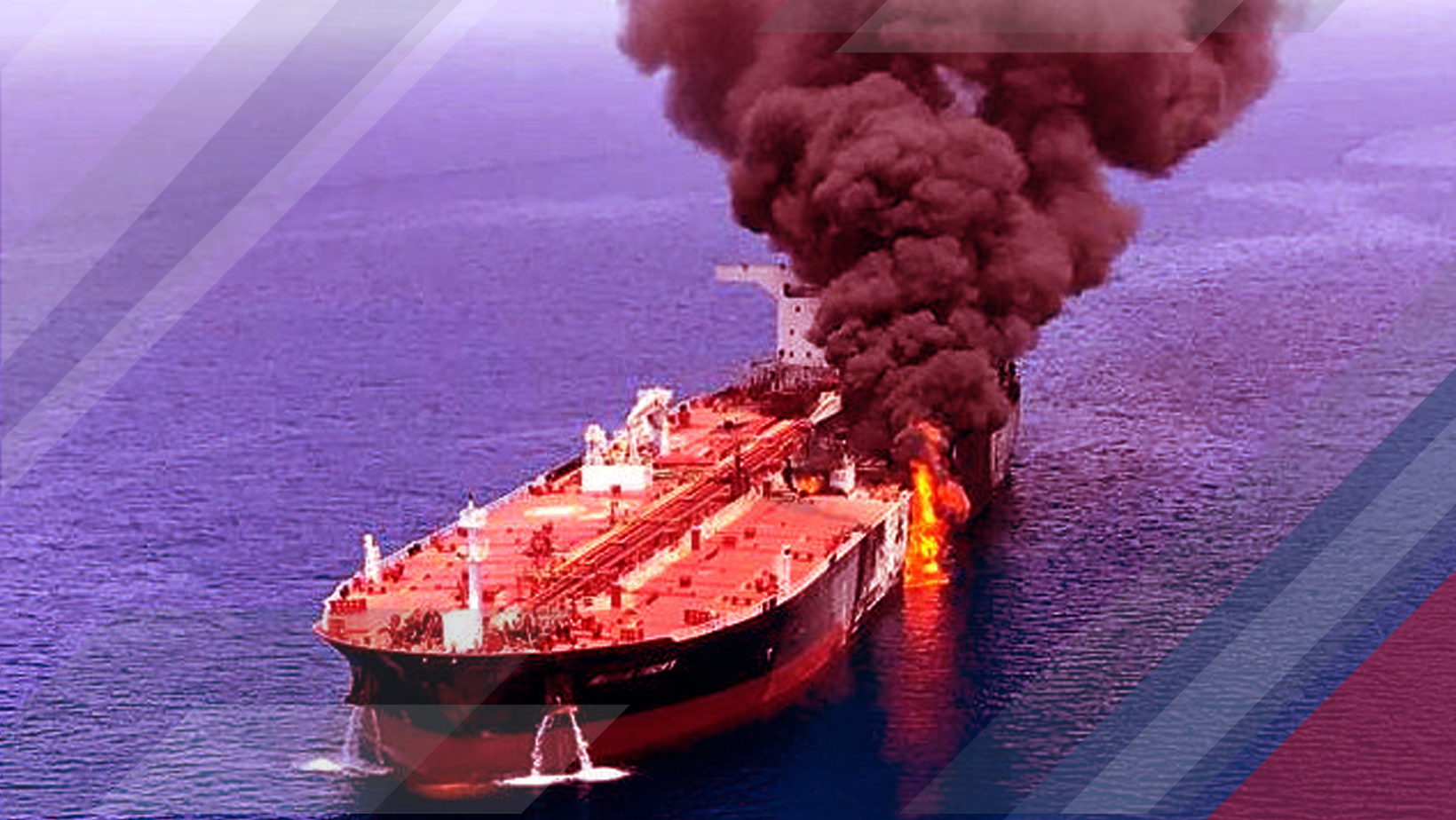
Marine insurers have now formally withdrawn war risk coverage for vessels operating in the Gulf region, transforming geopolitical tension into an immediate operational challenge for global shipping and the insurance market.
War risk cancellation notices issued earlier this week have officially taken effect, marking a shift from warnings about rising premiums to the actual withdrawal of coverage for vessels operating in the Strait of Hormuz and surrounding waters. The cancellations follow heightened hostilities in the region and Iran’s declaration that the critical shipping corridor is closed.
For marine insurers, brokers, shipowners and energy traders, the change is not merely symbolic. The expiration of the standard 48 and 72 hour cancellation clauses embedded in marine policies means vessels operating in the region may now do so without automatic war risk protection unless replacement cover is secured.
The development underscores how quickly geopolitical risk can cascade into insurance market disruption. For the broader insurance industry, it also provides a real-time case study in how war clauses, underwriting capacity and global trade risks intersect.
From Premium Pressure to Coverage Withdrawal
Marine insurers began issuing cancellation notices after a rapid escalation in regional tensions. The notices activated standard contractual provisions that allow insurers to terminate war risk coverage when hostilities materially alter the risk environment.
Among the insurers issuing notices were major marine mutuals and protection and indemnity clubs, including Gard, Skuld, NorthStandard, the London P&I Club and the American Club. Several insurers confirmed that coverage for war-related perils would no longer apply to vessels operating in Iranian waters, the Persian Gulf and nearby shipping lanes.
These clauses are common across the marine insurance market and are designed precisely for situations where war or conflict makes risk exposure unpredictable. What stands out in this case is the speed with which the market shifted from pricing concerns to outright cancellations.
Earlier warnings focused on rising premiums, with brokers indicating that war risk rates for hull policies could increase between 25 percent and 50 percent as reinsurers reassessed their exposure. With the notice periods now expired, the conversation has moved beyond price and toward availability.
“The Strait of Hormuz remains one of the world’s most important oil transit chokepoints.”
U.S. Energy Information Administration
Why the Strait of Hormuz Matters
The Strait of Hormuz handles roughly one fifth of global seaborne oil trade, making it one of the most strategically significant shipping routes on the planet. Tankers carrying crude oil from Saudi Arabia, the United Arab Emirates, Iraq, Iran and Kuwait pass through the narrow waterway every day.
Alongside crude shipments, the route also carries diesel, jet fuel, gasoline and liquefied natural gas shipments destined for global markets. Even small disruptions in this corridor ripple quickly across supply chains and energy markets.
Recent developments have intensified those risks. Reports indicate that several tankers have been damaged, at least one seafarer has been killed and more than 150 vessels have temporarily anchored near the Strait while operators reassess safety conditions.
The disruption has already affected global markets. Oil prices surged approximately 9 percent following the escalation, reflecting concerns that shipping capacity through the region could be constrained.
Operational Consequences for Shipowners
War risk coverage is not optional for most commercial shipping operations. It is typically required under vessel financing agreements, charterparty contracts and cargo insurance arrangements.
Without that coverage, vessels may be unable to legally or financially undertake voyages through high risk zones. As a result, shipowners now face several difficult choices.
Immediate challenges include
- Coverage gaps: Ships may transit the region without automatic war risk protection.
- Higher premiums: Replacement cover is being quoted at sharply increased rates.
- Voyage reconsideration: Some shipowners may delay or reroute shipments.
- Contract implications: Loan covenants and charter terms may require active war cover.
- Operational delays: Tankers anchoring while operators secure insurance solutions.
Some insurers have begun offering buy-back options that would reinstate war coverage on a voyage-by-voyage basis. However, the premiums for these arrangements are significantly higher than pre-crisis levels.
“Rates were rising exponentially before the attacks and will continue to remain elevated as countries scramble to meet their energy needs.”
Emril Jamil, Senior Analyst
Freight Markets React Quickly
Shipping markets have already begun adjusting to the new risk environment. Spot freight rates for very large crude carriers operating on the Middle East to China route have surged as shipowners factor in higher insurance costs and operational uncertainty.
Industry benchmarks show that the cost of hiring a very large crude carrier has risen dramatically since the start of the year, with rates nearly tripling in some cases. Recent spot transactions have approached Worldscale levels around W225, translating to voyage costs of roughly $12 million.
Those increases are not driven solely by insurance, but war risk premiums play a critical role in freight pricing. Tanker operators typically pass elevated insurance costs to charterers, who then incorporate them into delivered energy prices.
If the disruption persists, the market could also see more vessels redeployed to longer routes, including shipments from the United States or West Africa. Longer voyages reduce available shipping capacity and can push freight rates even higher.
Insurance Market Ripple Effects
The cancellations represent the first concrete implementation phase of broader market reactions to instability in the Middle East. Specialty lines across the insurance sector have already begun tightening terms as geopolitical risk intensifies.
Marine insurers are not the only participants reassessing exposure. Aviation insurers, trade credit underwriters and reinsurers have all begun reviewing aggregation risk tied to the region.
Reinsurers in particular play a crucial role in determining market capacity for war risks. Concentrated exposure in a narrow shipping corridor can create accumulation concerns that ripple through multiple lines of coverage.
For insurance professionals, the situation illustrates how contractual policy provisions designed decades ago remain central tools for managing modern geopolitical risk.
What Insurance Professionals Should Watch Next
The key variable now is duration. If diplomatic or military tensions ease quickly, insurers may restore capacity and premiums could stabilize.
However, prolonged instability could fundamentally reshape insurance pricing for Gulf transit routes. War risk surcharges may become embedded in freight calculations and marine underwriting models.
For agents, brokers and underwriters, the episode reinforces several broader lessons about the insurance industry's role in global trade risk. Insurance markets do not simply react to geopolitical events. They actively shape how companies manage risk, allocate capital and maintain operational continuity.
For now, the transition from warning to execution is complete. War risk coverage in the Gulf is no longer merely more expensive. In many cases it has been formally withdrawn, forcing shipping companies, insurers and energy markets to rapidly adapt.