
Trial of Attorneys in Staged Auto Insurance Fraud Case
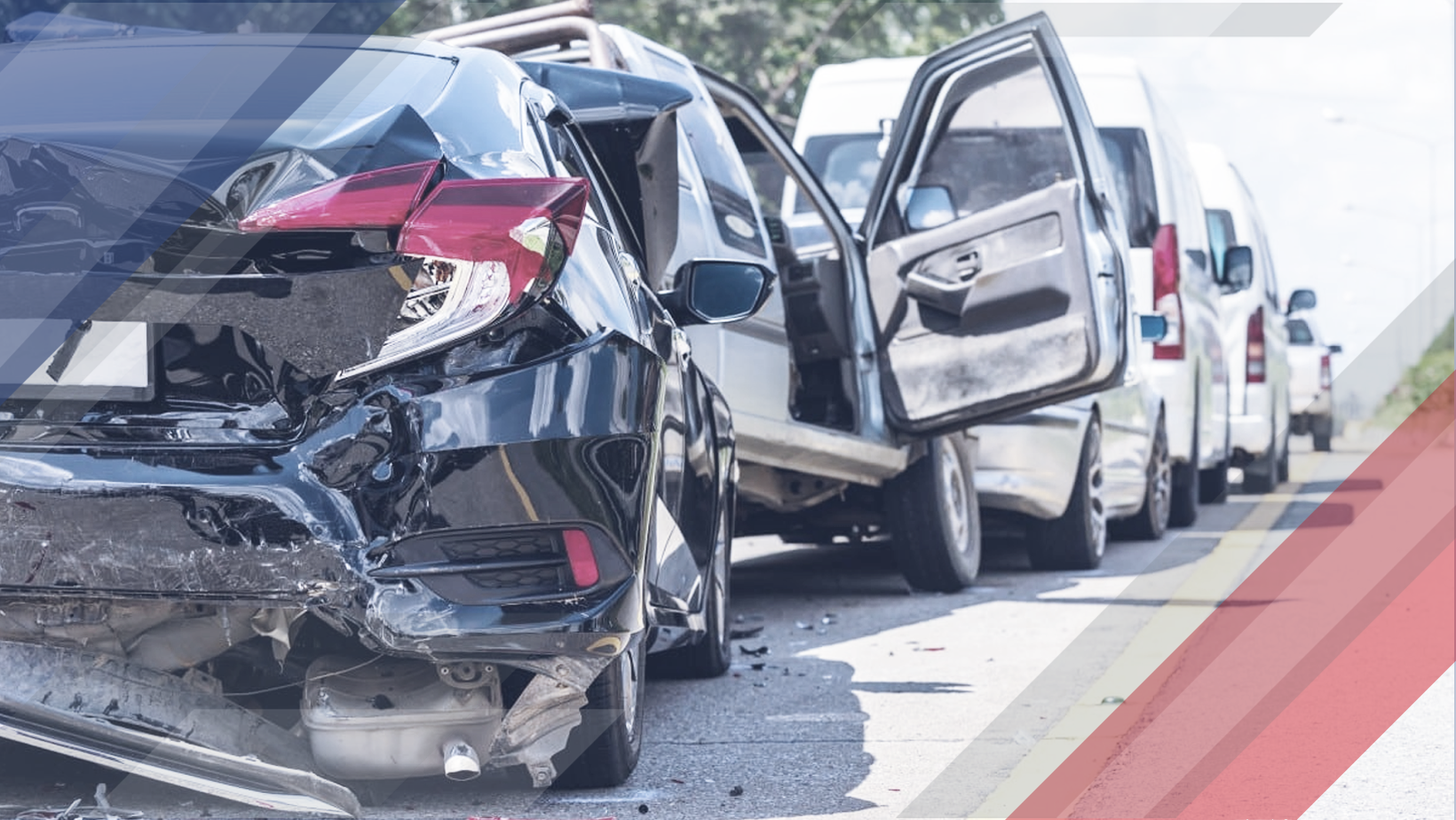
When alleged crash staging moves from rumor to a federal courtroom, the entire insurance ecosystem gets a real-world lesson in fraud, pricing pressure, and proof.
In New Orleans, a closely watched federal trial is set to begin March 2, 2026, putting two attorneys, Vanessa Motta and Jason Giles, before a jury over allegations tied to a long-running, sophisticated scheme to stage vehicle collisions and pursue fraudulent insurance claims and lawsuits. The charges include wire fraud, mail fraud, obstruction of justice, and witness tampering, and the court is expected to spend weeks sorting out what was real, what was manufactured, and who allegedly directed the playbook.
For insurance agents, agencies, carriers, and claims leaders, this is not just a headline. It is a live case study in how organized fraud rings can inflate loss costs, create volatility in commercial auto, and ripple into rate adequacy, underwriting appetite, and customer trust. It is also a reminder that fraud defenses are not solely a claims function, because policy design, distribution communication, underwriting discipline, and evidence readiness all matter long before a crash occurs.
Why this trial matters to the insurance industry
Louisiana has wrestled for years with high auto insurance premiums and intense litigation dynamics. Against that backdrop, a staged crash conspiracy involving commercial vehicles lands like a stress test on the system. Commercial autos, especially tractor-trailers, tend to carry larger liability limits, more severe injury allegations, and more complex claims handling. That combination can attract opportunists, and when opportunism becomes coordinated, the results can be systemic.
The allegations here reach beyond a single suspicious claim. Federal prosecutors have described a network that allegedly used multiple roles, repeat participants, and a repeatable script to generate claims. More than 50 individuals have pleaded guilty in related matters, and cooperating witnesses are expected to play a major role in how the jury understands what allegedly happened and how it allegedly stayed hidden for so long.
The public narrative accelerated after investigative reporting in 2018 highlighted patterns, including repeated involvement of the same people and the same law firms in multiple crashes. When a pattern becomes visible, it changes behavior across the market. Carriers tighten, insureds pay more, and good drivers and reputable attorneys end up sharing the consequences of bad actors.
How alleged staged commercial-vehicle crashes are built
A key reason commercial auto fraud is so damaging is that it can be engineered. According to federal court filings describing the broader probe, schemes like this can include people who intentionally cause collisions with tractor-trailers, people who help them flee the scene, and people who later provide statements, treatment narratives, and lawsuit filings that frame the event as an ordinary negligence loss.
In the New Orleans investigation, federal allegations have used specific labels for roles that can show up in staged-crash playbooks: a driver who allegedly causes the crash, a helper who allegedly assists with escape and story-building, and claimants who allegedly position themselves for medical bills and settlement leverage. When those roles are repeated across multiple losses, patterns emerge, but only if carriers and investigators can connect dots across time, vehicles, providers, and venues.
A simple role map
For agents and claims teams, having a shared vocabulary helps. The terms below are used in public descriptions of the broader investigation to explain how staged events can be organized.
Not every questionable loss involves an organized team, and legitimate claims can look messy. The operational takeaway is simpler: the more repeatable the story, the more important it is to test the story against objective evidence and cross-claim patterns.
What the jury is likely to focus on
In staged-crash prosecutions, the most persuasive evidence is often ordinary and concrete. Vehicle damage consistency, event timing, who called whom and when, who visited which providers, and whether statements evolved after contact with counsel or other participants. If the alleged collisions were staged, the prosecution’s job is to show coordination, knowledge, and intent, not just that a crash produced a large claim.
That is why cooperating witnesses can matter so much. In this New Orleans case, attorney Danny Keating, who has pleaded guilty in related matters, is expected to provide key testimony, and public reporting has tied his work to more than $1 million in proceeds tied to dozens of allegedly fraudulent cases. Jurors will also hear about how investigators and reporters traced repeated names and repeated law-firm involvement across multiple incidents, and why that repetition drew federal attention.
At the same time, the defense position is clear: Motta and Giles have pleaded not guilty. Motta is represented by former federal prosecutor Sean Toomey, and Giles by former judge Lynda Van Davis. When defense teams include experienced former prosecutors and judges, it signals a trial strategy built around challenging the credibility of cooperators, the interpretation of communications, and the leap from suspicious patterns to criminal intent.
“In 2020, U.S. Attorney Peter Strasser described the scheme as ‘outrageous.’”
U.S. Attorney Peter Strasser
That one word captures what makes staged-crash conspiracies so corrosive. They exploit honest drivers, distort loss data, and turn legal and medical systems into leverage tools. When the alleged target is a commercial vehicle, severity potential rises, and so does the market impact.
The shadow story: a murdered federal witness
This broader investigation has also carried a grim subplot: the 2020 killing of Cornelius Garrison, described publicly as a federal witness connected to the staged crash activity. In the current attorneys’ trial, Motta and Giles are not charged in the homicide, and the court has treated the murder allegations as a separate set of proceedings against other defendants. Even so, the existence of the murder case changes the tone for everyone involved because it underscores how high the perceived stakes can become when a fraud ring fears exposure.
For insurers, the practical takeaway is not sensationalism. It is risk awareness. When fraud becomes organized, it can come with intimidation, evidence manipulation, and pressure campaigns. That reality reinforces why carriers invest in special investigation units, why adjusters document diligently, and why agencies should treat fraud reporting as a safety and integrity issue, not merely a financial one.
What this means for insurers and agents in the field
This case sits at the intersection of claims, underwriting, and customer communication. Agents can feel powerless when fraud shows up as a claims problem, but distribution is often the first trusted voice explaining why rates rise, why underwriting tightens, and why documentation expectations are changing. Here are practical, insurance-forward angles that help agencies and carriers respond with confidence.
- Set expectations early: Tell commercial insureds that evidence readiness helps resolve claims faster and fairer.
- Promote objective proof: Dash cameras, telematics, and disciplined driver logs reduce “he said, she said.”
- Strengthen account stewardship: Review routes, parking, and high-loss corridors that may attract opportunists.
- Support rapid reporting: Immediate claim reporting preserves scene details, witness contacts, and vehicle data.
- Encourage safe response protocols: Drivers should call law enforcement and avoid negotiating narratives at scene.
- Help claims teams connect patterns: Repeated provider names, passengers, and attorneys can be signals worth escalating.
Notice what is not on that list: guessing about fraud based on stereotypes. Fraud detection is about behaviors and patterns, not demographics or assumptions. The goal is to protect legitimate claimants while reducing the odds that an organized ring turns your insured into a prop.
“If these accidents were in fact staged, my client was also a victim and taken advantage by others.”
Sean Toomey, counsel for Vanessa Motta
That defense framing is important for insurance professionals to hear, even if you disagree with it. In real claim operations, not everyone involved in a suspicious loss is necessarily a mastermind. Rings can include people who are recruited, coerced, or simply careless with the truth. Good investigations separate involvement levels, follow the evidence, and avoid overreaching.
Claims and underwriting takeaways you can apply immediately
For claims leaders and SIU teams
Organized staging schemes thrive on speed and confusion. They want the initial report to harden into a narrative before objective evidence is gathered. In commercial auto, you often have advantages: engine control modules, telematics breadcrumbs, driver communications, and dispatch records. The opportunity is to preserve those quickly, align counsel early when red flags exist, and compare new claims against past participants and provider networks.
Equally important is consistency. When carriers apply clear standards for recorded statements, scene investigations, and medical billing scrutiny, fraud rings lose their ability to predict weak points and exploit them repeatedly.
For underwriters and product teams
Underwriting cannot “price out” fraud without collateral damage. But underwriting can reduce exposure to fraud-friendly ambiguity by rewarding evidence adoption. That may include credits for camera systems, verified telematics participation, formal driver training, and documented safety programs, especially in high-frequency urban corridors.
When you see clusters of severe losses with similar fact patterns, consider whether the issue is purely risk selection, or whether there is an external actor influencing outcomes. Those are different problems with different remedies.
For agents and agencies
Agencies sit in the trust gap created by premium increases. Fraud stories can become the explanation customers accept, but only if it is explained responsibly. Your best message is not fear. It is preparedness. You are helping insureds protect their people and their balance sheet with practical tools that also make claims smoother.
If a client operates commercial vehicles in litigation-heavy regions, proactive guidance is part of good service. Encourage driver coaching on post-accident steps, promote technology that creates defensible evidence, and reinforce that honest reporting protects coverage and credibility.
A market lens: why commercial auto keeps feeling tight
Even without organized staging, commercial auto is a challenging line. Severity trends, attorney involvement, medical billing inflation, and jury dynamics can all push loss costs higher. Alleged staged-crash conspiracies add a harder-to-model variable: intentional losses designed to monetize policy limits and litigation pressure.
That is why cases like this attract such attention in Louisiana. When a jurisdiction already faces affordability concerns, a public trial about crash staging becomes part of how regulators, legislators, carriers, and consumers talk about reform and accountability. It also becomes part of how insureds interpret underwriting decisions, for better or worse.
For the insurance community, the most constructive response is to keep the focus on measurable actions: better evidence, faster investigations, stronger fraud collaboration, and consistent communication with insureds about how to reduce both accidents and dispute-driven losses.
What to watch as the proceedings unfold
A multi-week federal trial like this will likely revolve around a handful of core questions: Were specific collisions fabricated, did defendants knowingly advance fraudulent claims, and did any steps taken after investigators closed in cross the line into obstruction or witness tampering. Expect significant attention on communications, timelines, cooperating testimony, and whether the story of each crash holds up when compared to the physical evidence.
For insurers, the broader question is quieter but just as important: what operational gaps allowed the alleged activity to persist, and what practices can help the market detect and deter the next iteration faster. Fraud rings evolve. Evidence, coordination, and disciplined claim handling are how the industry evolves faster.