
CMS Withholds $259 Million in Medicaid Funds from Minnesota Due to Fraud Concerns
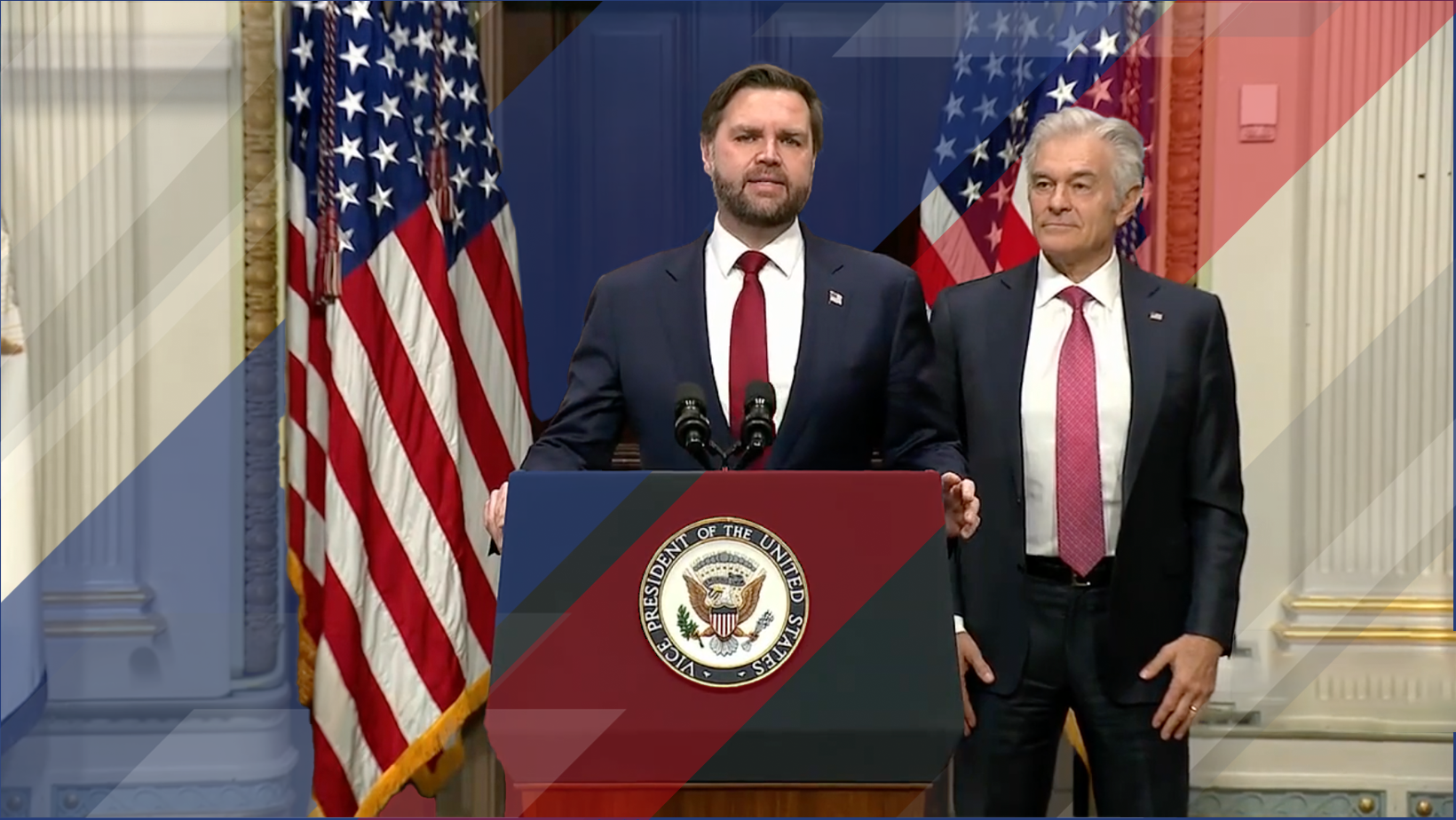
CMS’s decision to withhold more than $259 million in Medicaid funds from Minnesota is a powerful reminder that program integrity is no longer a background issue. It is front and center for carriers, agencies, and healthcare stakeholders nationwide.
The Centers for Medicare & Medicaid Services recently announced the funding action following concerns about potentially unsupported or fraudulent claims, including payments tied to recipients with unsatisfactory immigration statuses and other eligibility questions. While the withheld amount represents a relatively small share of Minnesota’s roughly $11.8 billion in annual federal Medicaid funding, the signal to the market is far larger than the dollar figure.
For insurance professionals operating in the government program space, this development underscores a renewed federal focus on oversight, documentation, eligibility controls, and payment accuracy.
What Prompted the Withholding
CMS identified compliance concerns tied to claims submitted under Minnesota’s Medicaid program. The agency issued a corrective action plan and warned that failure to comply could result in a deferral exceeding $1 billion in federal funds over the next year.
CMS Administrator Dr. Mehmet Oz made the agency’s posture clear, stating:
“The money is not going to ever leave the building again.”
Dr. Mehmet Oz, CMS Administrator
That statement reflects a broader national effort to tighten controls across federal healthcare programs. Medicaid and Medicare together represent one of the largest areas of federal spending. With enrollment growth and expanded eligibility in recent years, oversight mechanisms are under increasing scrutiny.
Fraud Allegations Raise the Stakes
Complicating the situation are allegations of fraudulent activity involving fictitious autism service centers and questionable billing practices by certain behavioral health organizations. Vice President JD Vance publicly referenced these examples as part of a wider federal crackdown on improper payments.
Improper payments in federal healthcare programs have been a persistent concern for decades. Federal oversight bodies have consistently identified documentation gaps, eligibility errors, and billing irregularities as major contributors. Behavioral health services, home and community based services, and specialty therapy programs often receive heightened scrutiny due to complex billing structures and documentation requirements.
Governor Tim Walz has indicated plans to introduce anti fraud legislation in response. At the same time, CMS announced it will temporarily halt new Medicare enrollments for certain supplier categories suspected of elevated fraud risk.
Why This Matters to the Insurance Industry
Although this action centers on Minnesota, the implications extend well beyond one state. Government program oversight frequently expands after high visibility enforcement actions. Carriers, managing general agents, agencies, and compliance leaders should view this as part of a larger pattern.
Three key realities are emerging:
- Heightened Documentation Expectations: States and providers will face more rigorous eligibility verification and claim validation requirements.
- Enrollment Scrutiny: Supplier screening, background checks, and ownership transparency standards are tightening across Medicare and Medicaid.
- Financial Exposure Risk: Deferred federal payments create downstream pressure on state budgets, managed care contracts, and provider cash flow.
For carriers participating in Medicaid managed care, funding disruptions can affect capitation flows, risk corridors, and reserve projections. For agencies serving providers, increased audit activity may drive demand for compliance guidance, E&O coverage reviews, and operational risk assessments.
Oversight Pressure Is Expanding Nationwide
Federal healthcare programs operate on a shared financing structure. States administer benefits, but federal funds account for a substantial portion of total program spending. When CMS withholds funds, the impact can ripple through:
State budget planning, managed care organization contracts, provider reimbursement timing, and compliance infrastructure investment.
Importantly, Minnesota continues to serve more than 1.1 million Medicaid beneficiaries. Providers have already delivered care and been compensated, even as federal disbursements are paused. That dynamic introduces cash flow and reconciliation challenges that insurers and healthcare organizations must closely monitor.
“Program integrity is not optional. It is foundational to preserving public trust and long term funding stability.”
Federal Health Policy Analyst
Operational Implications for Agencies and Carriers
Compliance Infrastructure Investment
Expect greater emphasis on internal audit capabilities, claims analytics, and eligibility verification systems. Carriers may revisit vendor oversight, subcontractor arrangements, and provider network credentialing processes.
Contract and Risk Review
Managed care contracts often include clauses tied to regulatory compliance and funding continuity. Funding deferrals can create indirect exposure through performance guarantees or reimbursement reconciliation adjustments.
E&O and Professional Liability Considerations
Agencies working with behavioral health organizations, autism service providers, and specialty suppliers should ensure that clients understand billing compliance standards. Errors and omissions exposure increases when documentation and eligibility controls are weak.
A Signal, Not an Isolated Event
The $259 million withholding may represent only a fraction of Minnesota’s total Medicaid funding, but the broader message is unmistakable. Federal agencies are signaling that corrective action plans must produce measurable compliance improvements. The warning that more than $1 billion could be deferred next year reinforces that point.
For insurance professionals, the takeaway is strategic rather than reactive. Strengthen compliance conversations with healthcare clients. Monitor state level regulatory updates. Evaluate exposure tied to government funded programs. And recognize that enforcement momentum tends to accelerate once it begins.
Program integrity initiatives will continue evolving. Agencies and carriers that proactively align with tighter standards will be better positioned to navigate funding disruptions, protect client relationships, and maintain financial stability in an environment where oversight expectations are clearly rising.