
Kouri Richins Murder Trial: Charges of Insurance Fraud and Financial Motive
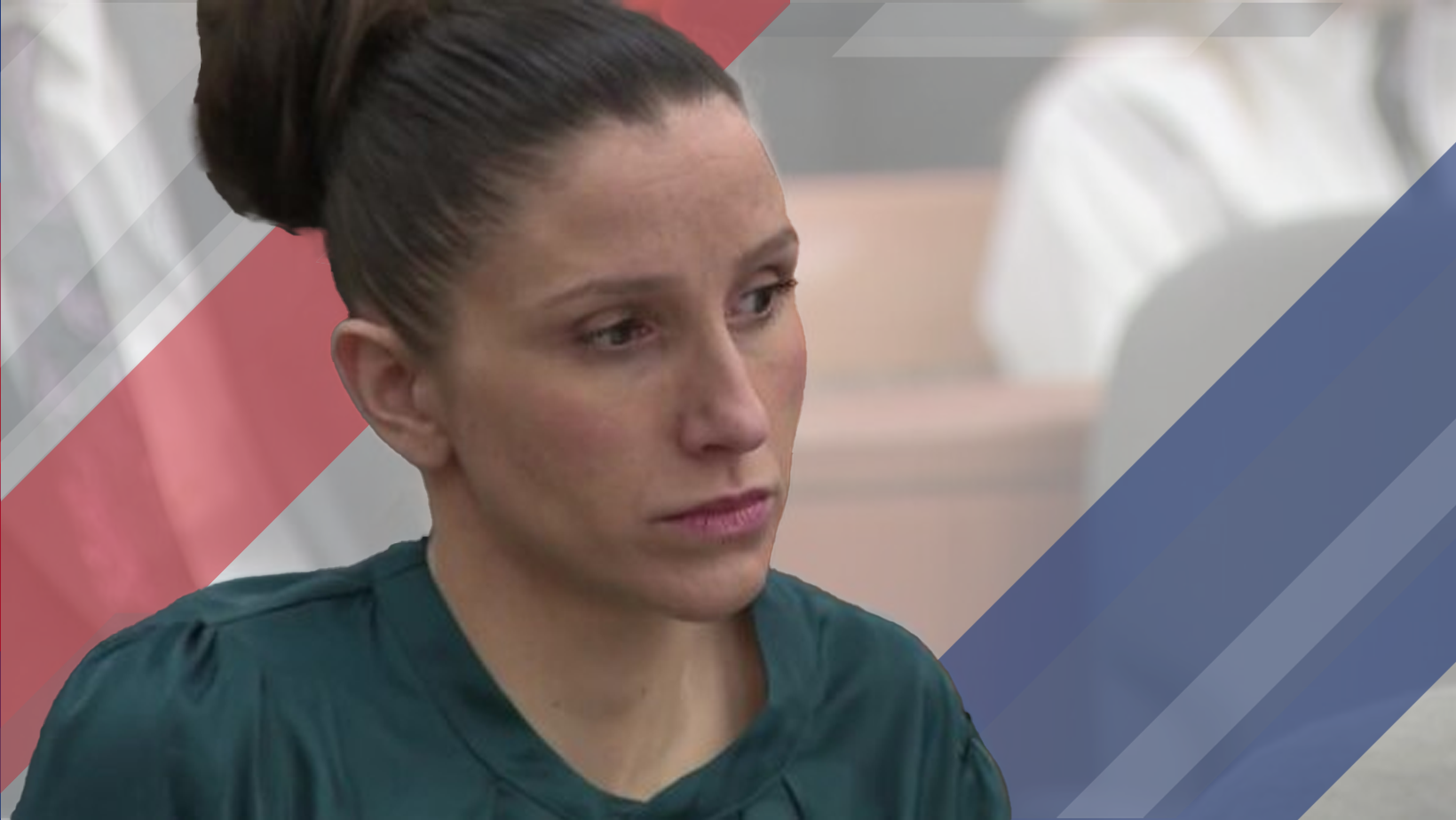
The Kouri Richins trial in Park City, Utah is turning a spotlight on how life insurance, consent, and financial pressure can collide in a criminal courtroom.
Richins is accused of fatally poisoning her husband, Eric Richins, in March 2022 with fentanyl. Prosecutors have also brought charges that include attempted murder, forgery, mortgage related fraud allegations, and insurance fraud. For insurance professionals, the case is not just headline material. It is a real world reminder that policy issuance, ownership, beneficiary designations, and consent controls can become central exhibits, not back office paperwork.
Why the Insurance Angle Matters
In opening statements, prosecutors framed the alleged motive as financial. Court reporting has described multiple life insurance policies with combined benefits described as nearly $2 million, plus disputes involving a multimillion dollar estate and substantial debt. Prosecutors have alleged some coverage was obtained without Eric Richins’ knowledge.
When a criminal case involves alleged insurance wrongdoing, the carrier’s ordinary process trail becomes unusually important. Applications, signatures, ownership records, change forms, underwriting notes, and payment histories can all become evidence used to argue intent, concealment, or a pattern of behavior.
“The evidence will prove that Kouri Richins murdered Eric for his money and to get a fresh start at life. More than anything, she wanted his money to perpetuate her facade of privilege, affluence and success.”
- Brad Bloodworth, Summit County prosecutor
The Defense: Alternative Cause of Death and Humanizing Evidence
Defense attorney Kathryn Nester has pushed back on the prosecution’s motive driven narrative by emphasizing Eric Richins’ reported health history, including Lyme disease, and what the defense describes as painkiller addiction. The defense has argued jurors should consider the possibility of an accidental overdose rather than intentional poisoning.
A key moment in the defense’s opening was the decision to play the 911 call made the night Eric Richins was found unresponsive. The defense used the audio to convey shock and grief, aiming to weaken the idea of a calculated plan.
“Those were the sounds of a wife becoming a widow.”
- Kathryn Nester, defense attorney
What the Court Record Is Suggesting About Financial Stress
Prosecutors have described a household under intense financial strain, including debt reported in the millions. They have also referenced messages and other material they say point to marital breakdown and plans for a different future. From an insurance industry viewpoint, this is the familiar moral hazard conversation, not as an abstract underwriting concept, but as a storyline being argued to a jury.
It is also a reminder that “financial pressure” can show up in many places beyond an application. Premium funding sources, rapid changes in coverage amounts, unusual ownership setups, and frequent policy activity can all become relevant later, especially if a claim turns contentious.
The Children’s Book and Narrative Risk
Another unusual element is Richins’ children’s book, “Are You With Me?”, published after her husband’s death. Prosecutors have argued it fits a broader attempt to shape a narrative around grief and loss. While publishing a book is not, by itself, proof of wrongdoing, it shows how public behavior can become courtroom material when a claim becomes high profile.
For carriers and agencies, it is a reminder that reputational and perception dynamics can accelerate quickly. A case can shift from claims handling to public scrutiny overnight, especially when social media and national coverage amplify partial facts.
One Practical Takeaway Section for Insurers
This case is still being tried, and the allegations have not been proven. Even so, it highlights process checkpoints that matter most when consent and intent are later questioned.
- Strengthen consent verification for issuance and changes: documented authorization, identity checks, and clear audit trails for ownership, beneficiaries, and coverage increases.
- Train front line teams to recognize pattern risk: sudden coverage layering, urgent timing, premium funding that does not match disclosed finances, or frequent policy activity during marital or financial disruption.
- Align underwriting, compliance, and claims on documentation standards: consistent recordkeeping makes investigations faster and reduces uncertainty under pressure.
- Use a clear claims governance playbook for suspicious deaths: early escalation, law enforcement coordination, and careful communication when litigation risk is high.
Where a Simple Table Helps: Operational Focus Areas
When a case hinges on alleged unauthorized policy activity, the industry conversation quickly becomes operational. The table below summarizes where courts and investigators tend to look first, and what strong controls usually include.
| Area | What to Capture | Why It Matters |
|---|---|---|
| Insured consent | Identity proof signature method timestamped audit trail |
Counters allegations of unauthorized issuance or silent changes |
| Policy changes | Beneficiary history ownership changes coverage increases |
Reconstructs intent and timing around major life events |
| Premium funding | Payment source irregular patterns lapses and reinstates |
Flags financial strain or unusual urgency before a claim |
What to Watch as the Trial Continues
Reporting on the proceedings indicates the trial is expected to run into late March 2026. For insurance leaders, the most instructive developments may not be the sensational details, but the documentary trail: how policies were established, how consent was validated, and how financial context is being framed as motive or dismissed as coincidence.
However the verdict lands, the case reinforces a practical truth the industry already knows: when life insurance becomes part of a criminal narrative, the strength of everyday process controls can determine whether a carrier’s records clarify the story quickly or leave space for doubt.