
Dehumidifier-Related Fires: Insurance Implications and Liabilities
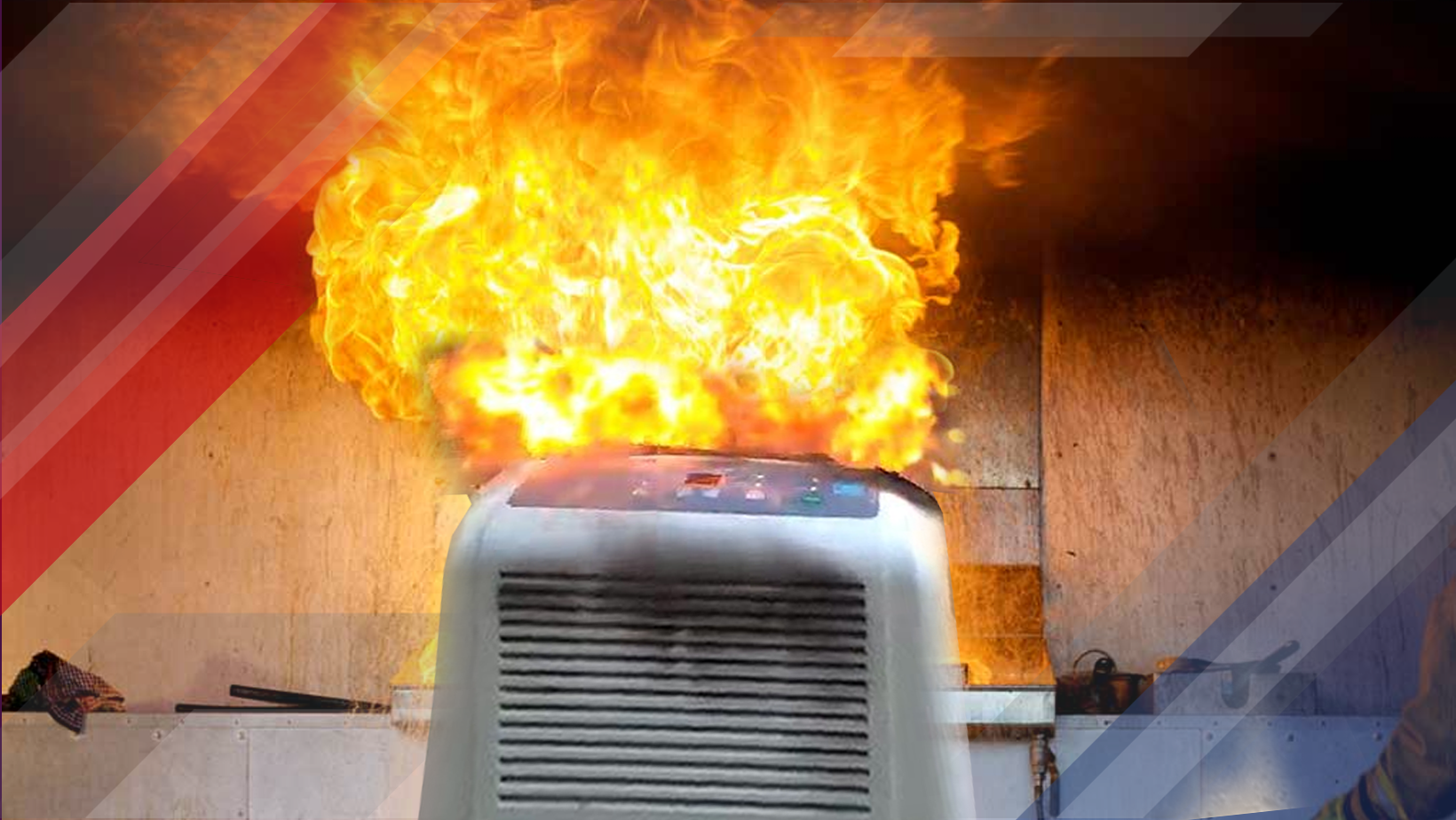
Recent legal actions over dehumidifier-related fires have brought product safety risks into sharper focus for insurers, underwriters, and risk managers. A high-profile product liability lawsuit filed in the U.S. District Court for the Southern District of New York highlights both the financial exposure faced by carriers and the importance of rigorous compliance and claims strategies when household appliances fail catastrophically.
What Happened in Poughkeepsie
Safeco National Insurance Company filed suit as subrogee for its policyholder, alleging that a Frigidaire-branded dehumidifier distributed by Electrolux Home Products Inc. overheated and ignited a house fire in Poughkeepsie, New York. The resulting damage exceeded $400,000 in flame, smoke, and water losses. The complaint accuses the manufacturer of defective design, inadequate testing, and insufficient warnings about known fire risks.
The Broader Product Safety Landscape
Dehumidifiers are widely used to control indoor humidity and prevent mold and mildew. While most perform safely, multiple recalls over the past decade have shown that serious fire risks can emerge from manufacturing and design defects. Millions of units sold under various brands have been recalled due to overheating and ignition hazards, with documented reports of fires, smoke events, and significant property damage.
Industry Perspective on Risks
Many of the issues that lead to fire risk occur deep inside the appliance. Overheating components like compressors or electrical boards can lead to thermal runaway or short circuits, creating temperatures high enough to ignite the housing. Continuous use, obstructed airflow, and lack of maintenance intensify these risks.
“Defendant owed a duty of reasonable care … in the manufacture, assembly, design, inspection, testing, marketing and distribution of the product.”
Safeco National Insurance Company v. Electrolux Home Products Inc.
Claims and Subrogation Considerations
For carriers, incidents like these underscore the value of diligent subrogation practices. When a claim is triggered by a defective product, pursuing recovery against manufacturers can offset losses and reinforce accountability across the supply chain. In the Frigidaire case, Safeco seeks compensation for payments made under the homeowner’s policy, along with interest and costs.
A separate case involving Church Mutual Insurance Co. S.I. v. Electrolux Home Products Inc. reinforces this trend. There, an insurer pursued damages exceeding $1 million for fire, smoke, and water loss at a church allegedly caused by a dehumidifier that had been recalled years earlier but nevertheless remained in use.
Risk Management and Consumer Education
Insurers can play a proactive role in loss prevention through policyholder education. Key steps include encouraging checks for product recalls, sharing guidance on safe placement and maintenance of household appliances, and integrating product-related risk questions into underwriting. While not all risks can be eradicated, awareness of recalls and proper appliance usage can reduce the incidence of defect-induced claims.
Table: Dehumidifier Recall and Fire Risk Indicators
| Metric | Impact on Insurance | Typical Cause |
|---|---|---|
| Units Recalled (millions) | Higher potential legacy claims | Design/manufacturing defects |
| Reported Overheating Incidents | Indicator of latent hazard | Internal component failure |
| Documented Fire Losses | Increased severity in property claims | Thermal runaway/short circuits |
| Claims Involving Older Models | Subrogation opportunity | Lack of consumer recall compliance |
| Policyholder Inquiry for Safety Info | Preventive engagement | Recall awareness/maintenance |
Key Risk Takeaways
-
Legacy products matter: Older dehumidifier models still in homes long after recalls contribute to avoidable losses.
-
Recall awareness is critical: Many recalls have been issued due to documented fire hazards tied to overheating and component failures. (Consumer Reports)
-
Maintenance and placement reduce risk: Adequate clearance, routine filter and coil cleaning, and following manufacturers’ instructions minimize overheating potential. (BGR)
As the insurance industry continues to manage both routine property claims and complex subrogation actions, understanding appliance-related fire risks is increasingly important. The recent Safeco lawsuit reminds carriers that products once considered benign can pose serious threats over time, especially when defects are involved. By combining effective risk communication, recall education, and strategic claims practices, insurers can reduce losses and better protect policyholders.
“Modern dehumidifiers are designed with safety in mind … but proper placement and regular checks reduce risk.”
Fire and Evacuation Services Safety Advisor