
Post-Crash Evacuation: A New Focus for Auto Insurance and Safety Standards
The Next Auto Safety Mandate: Not the Crash, the Escape
For the last decade, vehicle safety has been dominated by one big idea: prevent the crash. Advanced driver-assistance systems, better sensing, and smarter software have helped push collision rates down in many scenarios.
Now the industry is confronting a harder truth. When a crash does happen, people still have to get out. And in certain failure modes, modern vehicles can make that surprisingly difficult.
Post-crash evacuation is quickly becoming a practical issue for regulators, a real variable for insurance risk evaluation, and a growing edge for product liability litigation. Electric and increasingly automated vehicles did not create the problem, but they have changed how it shows up.
Why “egress” is moving to the center of the conversation
Vehicles are getting better at managing impact energy and keeping occupants alive through the first moments of a collision. The next question is what happens immediately after: fire risk, smoke, water immersion, secondary impacts, and delayed rescue.
In that window, seconds matter. Yet a range of modern design choices can reduce the odds of a clean exit when systems are compromised, including power-dependent door releases, hidden or unfamiliar mechanical overrides, and post-crash electrical shutdown behaviors.
“Vehicles are improving in accident prevention, but after a collision, safety mechanisms can inadvertently trap occupants.”
— David Ebrahimzadeh, Corniche Capital
For insurers, this is not theoretical. If advanced systems reduce frequency while post-crash escape challenges increase severity, the loss curve changes shape. A small number of incidents can drive outsized losses.
What’s driving the risk shift for carriers and underwriters
Historically, underwriting models leaned heavily on frequency predictors: driver profile, territory, miles, and vehicle performance. Increasingly, vehicle design and software behavior are influencing severity in ways that are tougher to observe from traditional rating inputs.
Here are the three dynamics showing up most clearly:
1) Frequency declines do not automatically translate into lower loss costs
Crash avoidance can reduce claim count, but severe outcomes can cluster around edge-case failures: battery fires, cabin smoke, submersion, or blocked exits.
2) Post-crash escape is becoming a “design dependency”
If opening a door depends on low-voltage power, sensors, or electronic latching behavior after impact, then egress becomes part of the vehicle’s fault tree. That shifts the discussion from “Did the car protect the occupant?” to “Did the car allow the occupant to exit?”
3) Liability is expanding from impact outcomes to survivability outcomes
Product liability arguments tend to follow a simple narrative: the occupant survived the crash but could not escape the vehicle. That framing pulls in door mechanisms, interior releases, labeling, training, and even rescue access.
Regulatory momentum: today’s standards, tomorrow’s expectations
In the U.S., door lock and retention standards have historically prioritized keeping doors closed in a crash to prevent ejection. That makes sense. But it also creates tension: the same systems that keep occupants inside during impact must still enable fast egress immediately after.
Regulatory bodies and safety evaluators are now under pressure to address that tradeoff more directly as vehicle designs evolve. Even before formal rule changes, consumer expectations and safety scoring programs can influence OEM behavior, which then influences claims patterns.
“Future safety mandates will prioritize enabling escape, not just impact absorption.”
— David Ebrahimzadeh, Corniche Capital
For insurers, the key point is timing. Pricing models often react after loss experience matures. Vehicle design shifts faster than that. The carriers who anticipate the severity drivers, not just the frequency drivers, will have an advantage.
What insurers should watch next
Below is the one place where bullets belong, because these are practical watch items you can build into your monitoring:
-
Power-dependent egress designs: doors and latches that rely on low-voltage systems post-impact
-
Manual override accessibility: releases that are hidden, unlabeled, or hard to operate under stress
-
Rescue compatibility: exterior and interior access points that first responders can reliably use
-
Claims narratives: cases where survivability turns on escape time, not crash forces
-
OEM updates and redesigns: hardware or software changes tied to door operation after collisions
Innovation spotlight: evacuation as a dedicated safety function
One notable development is a patented Automotive Emergency Evacuation System associated with Corniche Capital and David Ebrahimzadeh. The concept reframes evacuation as its own safety function rather than a byproduct of door design.
Whether this particular approach becomes widely adopted is less important than what it signals: manufacturers, investors, and legal teams are now treating evacuation as a discrete requirement that can be engineered, tested, and potentially regulated.
That has direct relevance to insurance. Once evacuation becomes a recognized safety category, it can influence:
-
Severity assumptions for specific makes and models
-
Litigation exposure and defense costs
-
Risk engineering conversations with fleet and commercial clients
-
Product liability allocation across OEMs and suppliers
Underwriting and claims implications: a practical lens
To make the shift tangible, here is a simple mapping of how “escape risk” can show up across the insurance value chain.
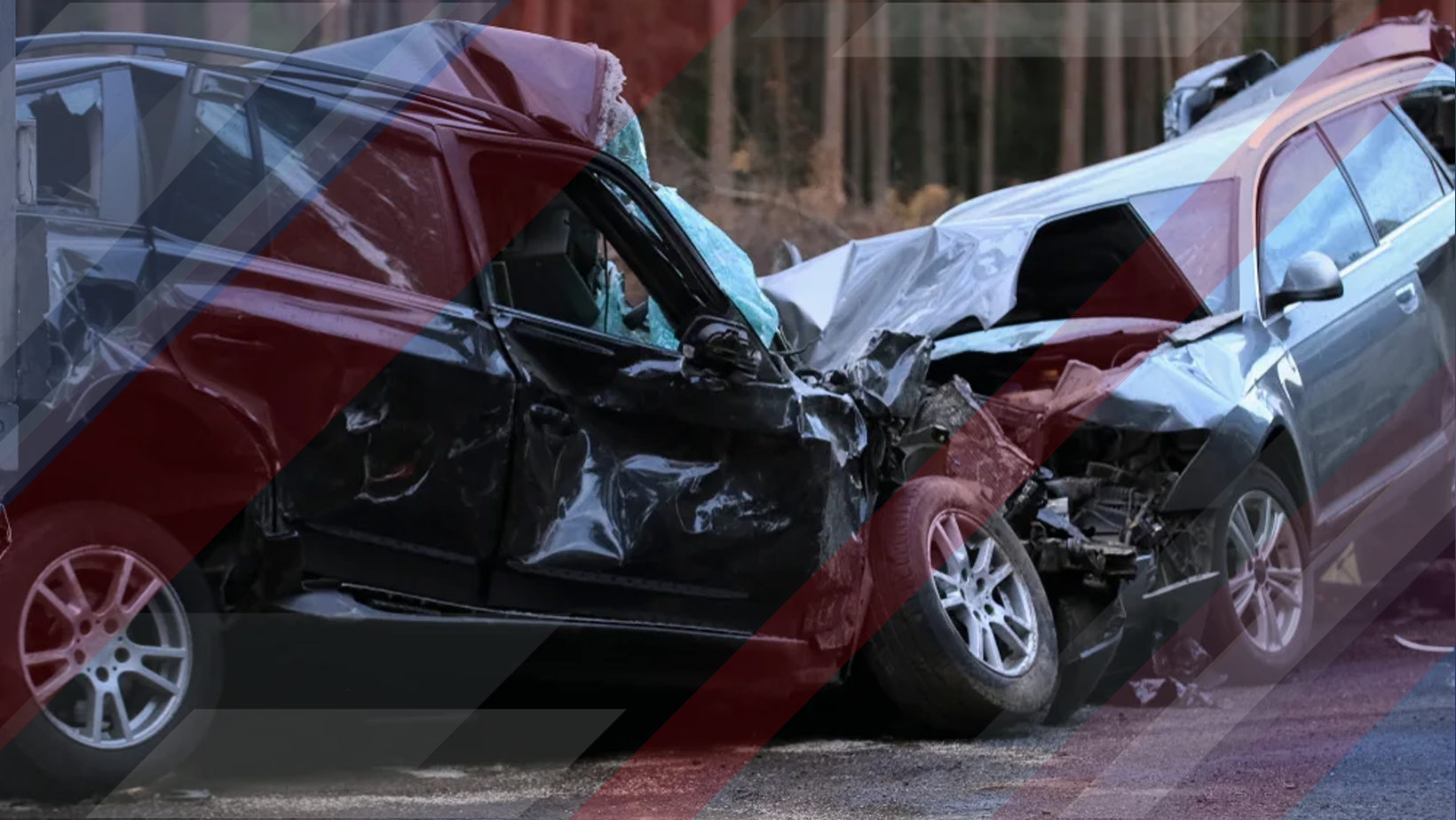 The takeaway for the industry
The industry’s safety story is evolving from “avoid the crash” to “survive the crash and escape it.” That is a meaningful shift for insurance because it changes where severity comes from and how liability is argued.
For carriers, the immediate opportunity is to treat post-crash evacuation as an emerging risk factor: track it, discuss it with fleets, pressure-test assumptions in severity models, and stay close to regulatory and OEM movement.
Crash avoidance is the headline, but escape may become the deciding factor in the claims that matter most.