
Systemic Fraud and Rising Premiums Challenge U.S. Health Insurance Market
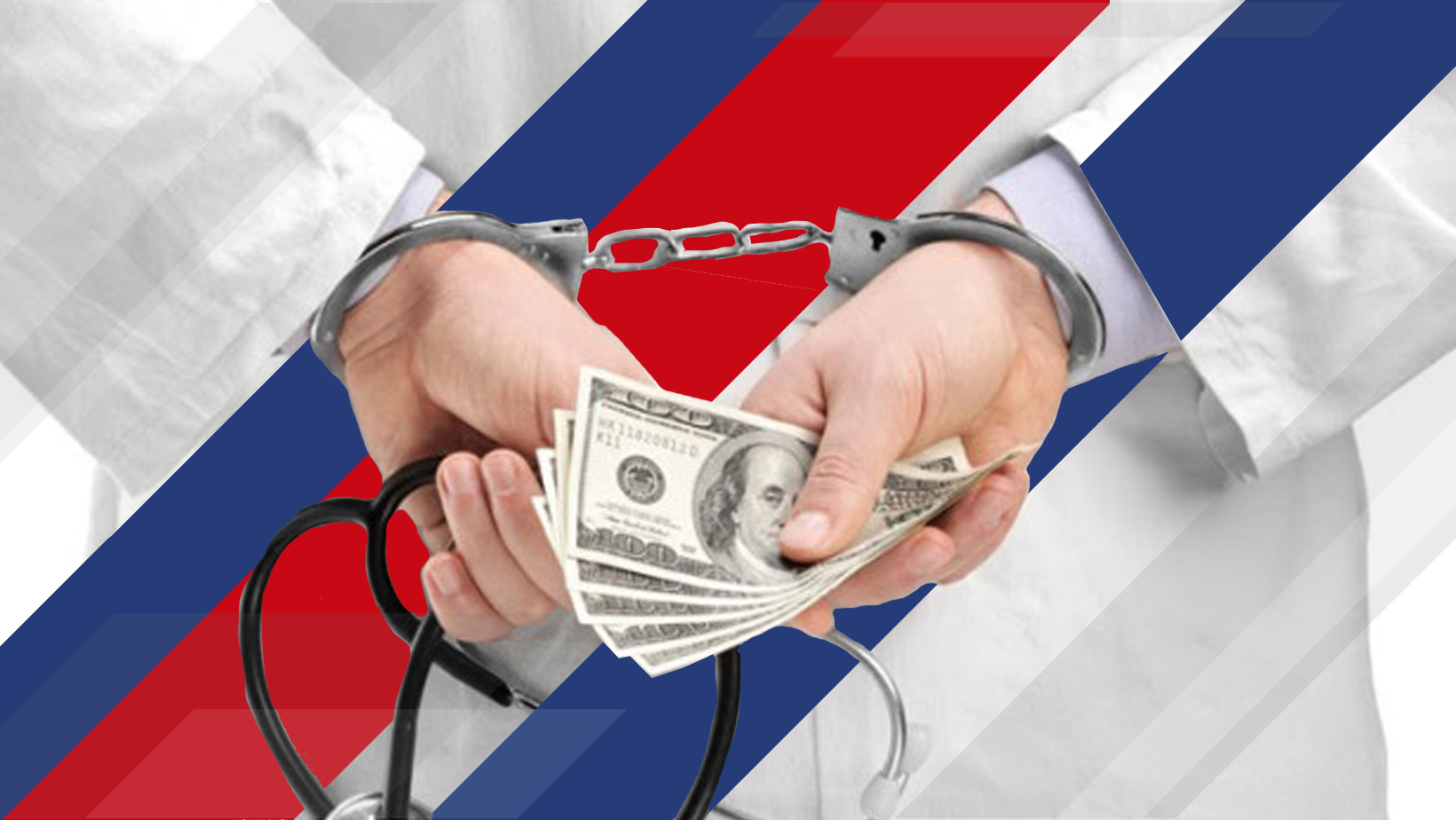
Fraud, Costs, and Consequences in the Health Insurance Market
A recent investigation into the U.S. health insurance system has pulled back the curtain on a troubling mix of fraud, rising costs, and policy tradeoffs that directly affect insurers, regulators, and taxpayers. While coverage levels remain historically high, the mechanisms supporting that coverage are under growing strain.
At the center of the issue is systemic fraud within public insurance programs and the marketplaces that support them. Federal oversight agencies estimate that roughly $27 billion was spent on subsidized insurance for applicants who were not actually eligible. These findings were not theoretical. Investigators submitted fictitious applications and were approved, revealing gaps in verification and enrollment controls.
“When fake applicants can obtain subsidized coverage, it signals deeper weaknesses in oversight that ultimately undermine trust in the system.”
— Government Accountability Office official
Pennsylvania as a Case Study
Pennsylvania has emerged as a telling example of how these challenges play out at the state level. Authorities there have brought multiple Medicaid fraud charges in recent years and recovered more than $11 million tied to improper payments. While enforcement actions demonstrate progress, they also underscore how difficult it is for states to police large and complex programs with limited administrative resources.
The financial pressures extend beyond fraud. Since the Affordable Care Act took effect, premiums on the individual exchanges have climbed sharply, outpacing inflation by a wide margin. In Pennsylvania alone, average exchange premiums rose approximately 42 percent between 2019 and today.
Exchange Premium Growth Snapshot
| Measure | Change |
|---|---|
| General Inflation | Moderate growth |
| Exchange Premiums Nationwide | Nearly triple inflation |
| Pennsylvania Exchange Premiums | +42 percent since 2019 |
Federal subsidies have largely insulated consumers from these increases. However, that insulation shifts the cost burden to taxpayers, raising questions about the long-term sustainability of the current subsidy model.
“Subsidies may soften the blow for consumers, but they do not eliminate costs. They simply move them elsewhere.”
— Health policy analyst
Recent Federal Policy Responses
Congress has attempted to address some of these pressures through recent legislation. Measures include new Medicaid work requirements, expanded access to Health Savings Accounts, and increased federal funding for Medicaid. While these steps aim to promote accountability and flexibility, critics argue they fall short of addressing the underlying drivers of healthcare costs, such as provider pricing, limited competition, and opaque billing practices.
Where States Can Make a Difference
State-level reforms are increasingly viewed as a critical lever for improving affordability and efficiency. Several strategies have gained traction across the industry:
-
Strengthening Medicaid enrollment verification through routine cross-checks with employment and death records, easing provider licensing rules to expand access, enforcing hospital price transparency, and supporting alternative care models such as Direct Primary Care.
Pennsylvania has already begun implementing more frequent eligibility checks, signaling a move toward tighter controls that could reduce improper payments over time.
Expanding Choice and Consumer Control
Beyond fraud prevention, many industry observers see opportunity in reforms that give consumers more direct control over healthcare spending. Proposals include converting premium tax credits into Health Savings Accounts and allowing cash payments for care to count toward deductibles. Supporters argue these changes could encourage price shopping, reward value-based care, and reduce reliance on complex reimbursement structures.
Similarly, expanding Association Health Plans could help small businesses band together to access more affordable coverage, increasing competition outside the traditional exchange framework.
“Transparency and choice are not abstract ideals. They are practical tools that can realign incentives across the market.”
— Insurance industry executive
Looking Ahead
The investigation into health insurance fraud serves as a reminder that coverage expansion alone does not guarantee a healthy insurance ecosystem. For insurers, policymakers, and regulators, the challenge now is to balance access with accountability, affordability with sustainability, and oversight with innovation. Addressing fraud, modernizing subsidies, and empowering consumers may not be quick fixes, but together they represent a path toward a more resilient insurance market.